There is something revealing about a space in autumn.
In summer, a lot can be forgiven. The days are longer. Natural light does more of the work. Windows are open. People spend more time outside. A room can feel bright and generous simply because the conditions are helping it.
Then autumn arrives.
The light begins to change. The evenings draw in. Windows stay closed for longer. We spend more time indoors. And gradually, our relationship with the spaces around us changes too.
The same room can suddenly feel like a different space.
The room has not changed. The conditions have
The 4 pm test
Consider a room at 10 am in June.
There is plenty of daylight. Natural light reaches deeper into the room. The connection to the outside feels stronger. People move around without thinking much about where the light is coming from.
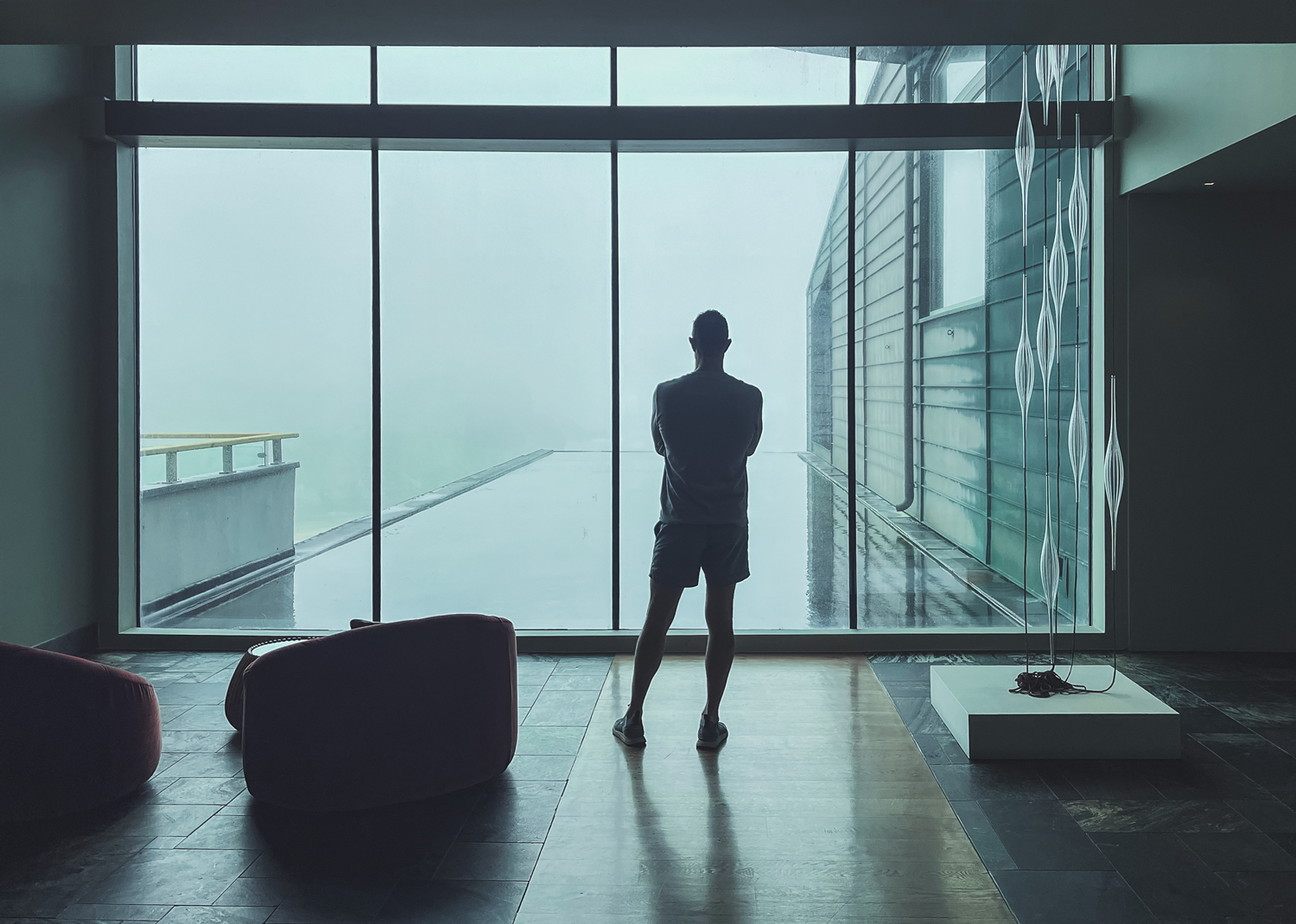
Now consider that same room at 4 pm in November.
The day is already beginning to disappear. Artificial lighting becomes more important. The windows feel darker. People have been indoors for longer.
The room may suddenly feel smaller, colder, or less inviting.
Nothing about the room itself has changed. But the experience has. That is what makes the time of day such an interesting test for a space.
Would someone still choose the same seat? Would the room still feel equally comfortable? Would the parts of the space that worked well in June still work in November?
Sometimes the answers are obvious. Sometimes they are not. But the differences can reveal things that are easy to overlook when we only experience a space under ideal conditions.
When people start occupying a space differently
A building may be static. The way people use it is not.
In warmer months, windows might be opened, and outdoor areas become extensions of the interior. As the weather changes, those patterns contract.
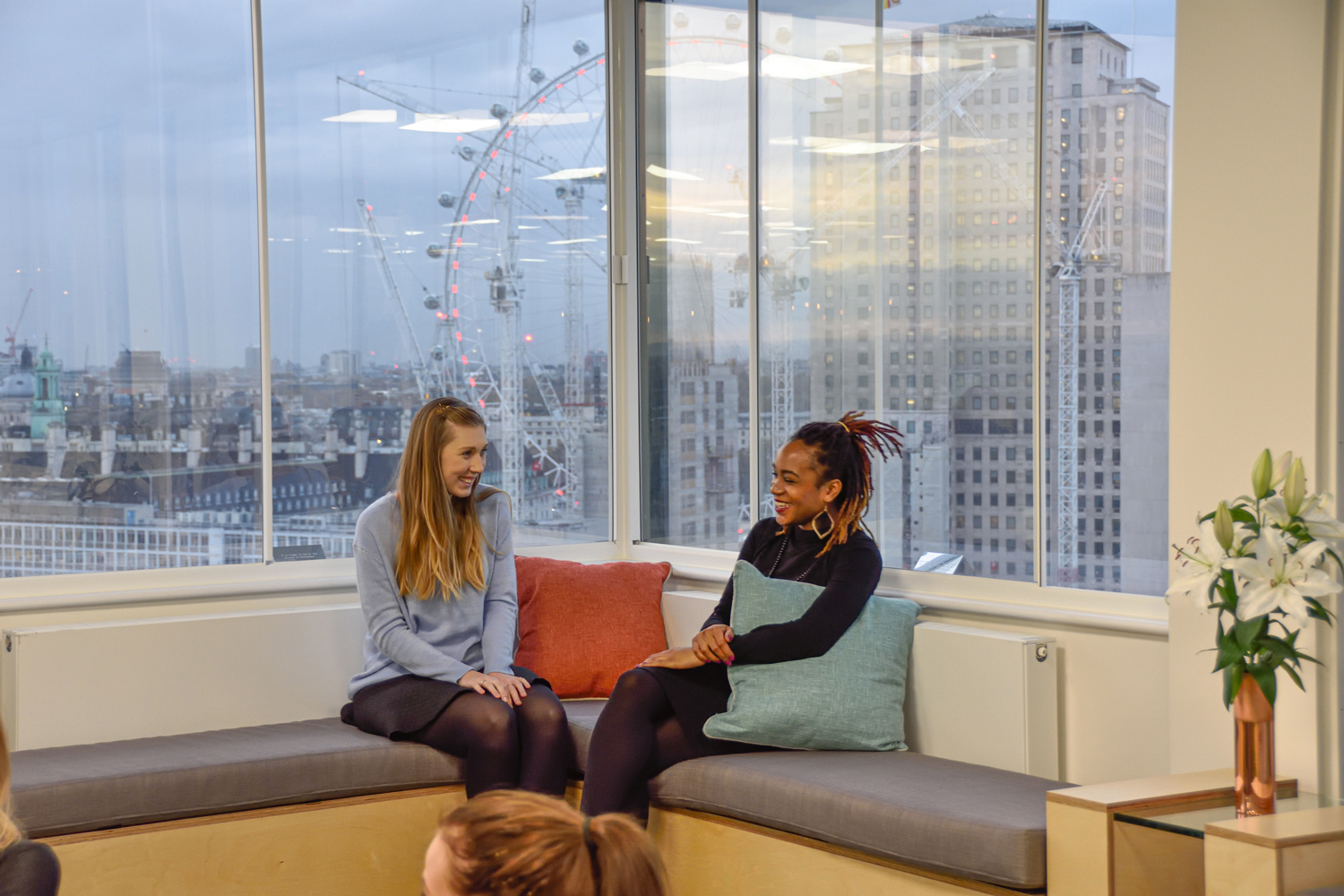
People spend longer indoors. Certain areas become busier. Others become quieter. Someone may move towards daylight, warmth, or somewhere that feels more private without consciously deciding to.
People rarely announce why they have moved. They simply adjust.
- A seat becomes the one everyone seems to choose.
- A particular part of an office becomes more desirable later in the day.
- A quieter corner gets used more often.
- A route through a building becomes the natural one.
These small patterns can tell us a surprising amount about how a space is actually working.
It is one thing to know where people are expected to be. It is another to notice where they choose to be.
Comfort is not a fixed condition
We often talk about comfort as though it is something a space either has or does not have. It is not that simple.
Light changes. Temperature changes. Noise changes. Occupancy changes. So does the person experiencing the room.
A space that feels comfortable on a bright morning may feel very different later in the day. A room that feels calm when it is quiet can take on another quality when it is full.
And sometimes the person arriving has changed before the room has.
Imagine arriving after twenty minutes in cold rain, carrying a coat and umbrella, then stepping into a building with different light, temperature, and sound.
You may already feel cold, rushed or tired.
In healthcare, there can be another layer. Someone may arrive anxious about an appointment before they have even opened the door.
The experience of the space therefore begins before someone settles into it.
What do they see first? Is it obvious where they should go? Where do they naturally pause? Do they feel exposed, or does the environment allow them to settle?
This is why comfort can not really be reduced to a list of physical conditions.
The same room can support one state of mind beautifully and feel very different in another.
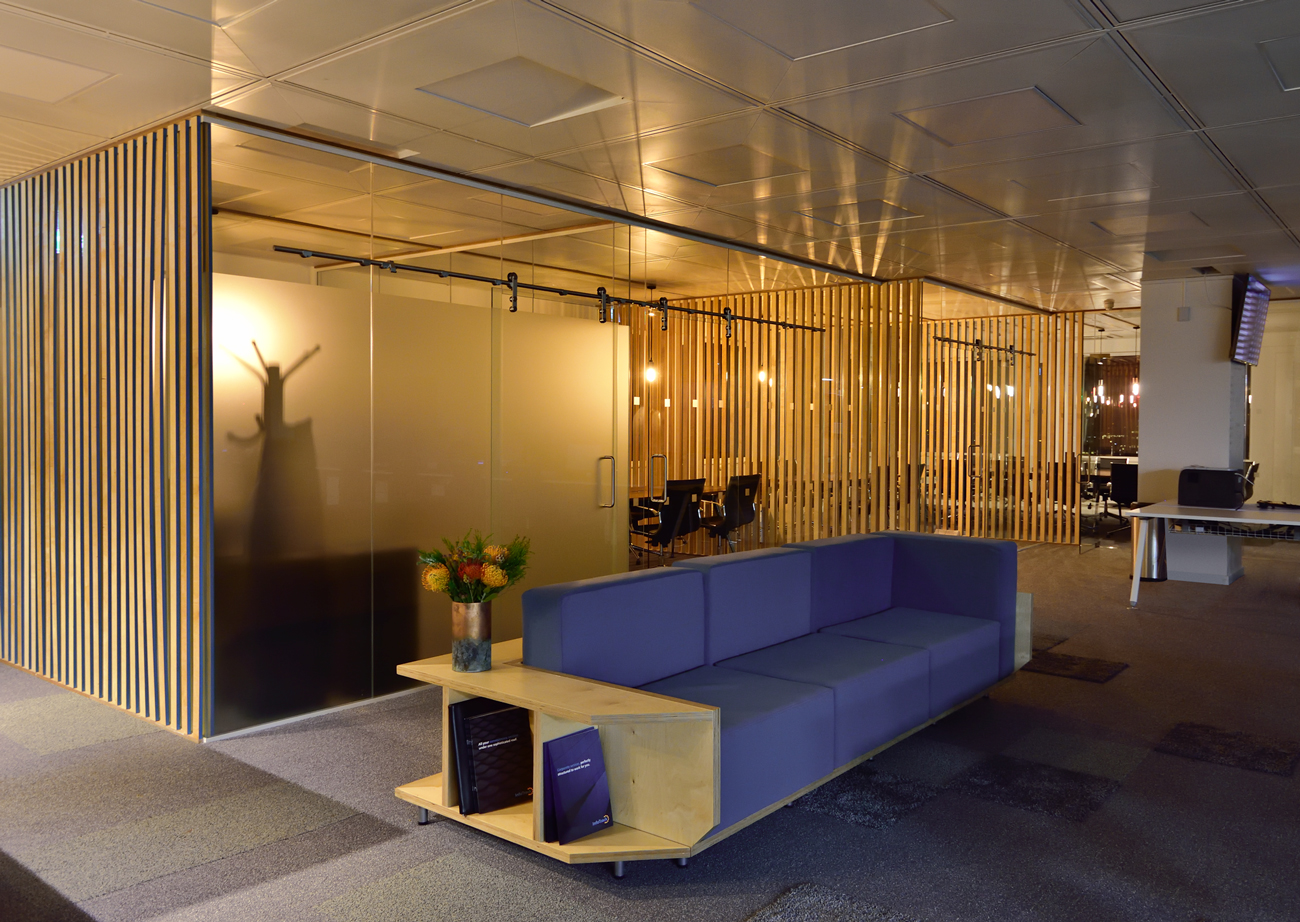
A space reveals itself over time
We tend to experience design at its finished moment.
The photographs are taken when the light is beautiful. The furniture is perfectly positioned. Everything is clean, styled, and new.
But a space is not experienced as a photograph.
It is experienced over days, weeks, and years. On a bright morning and a grey afternoon. When it is quiet and when it is full. At the beginning of the day and when energy is running low. By someone who knows exactly where they are going and someone who has never been there before.
- A home has to support changing routines.
- A workplace has to accommodate different patterns of concentration, collaboration, and use.
- A healthcare environment has to work for someone who may arrive completely at ease, or someone who is already anxious before they walk through the door.
The building stays largely the same. The circumstances around it do not.
That is why some of the most useful information about a space only appears once it is being lived in, worked in, or used properly.
Sometimes it comes from what people say. Often, it comes from what they do.
Where they sit. Where they hesitate. What they avoid. What they return to. What they change without being asked.
Would it still work in November?
One simple question is worth asking: Would this space still work on a grey day in November?
Not because November is a special test. Because it removes some of the advantages a space can rely on when conditions are good.
Less daylight. More time indoors. Different routines. Different states of mind.
A space reveals itself in those moments.
And sometimes, that is when the most important things become visible.