It is an exciting time in the world of AI. It is changing how interior design is explored, presented, and delivered.
It can generate mood boards in seconds, produce convincing visualisations of spaces that do not yet exist, and help designers explore layouts, materials and colours in minutes rather than hours.
For designers and clients alike, that creates exciting possibilities. But there is an important distinction between visualising a space and understanding what it needs to achieve.
A great image can communicate an idea, but it cannot decide whether it is right for the brand, the people using it, or the business behind it.
What AI Does Well
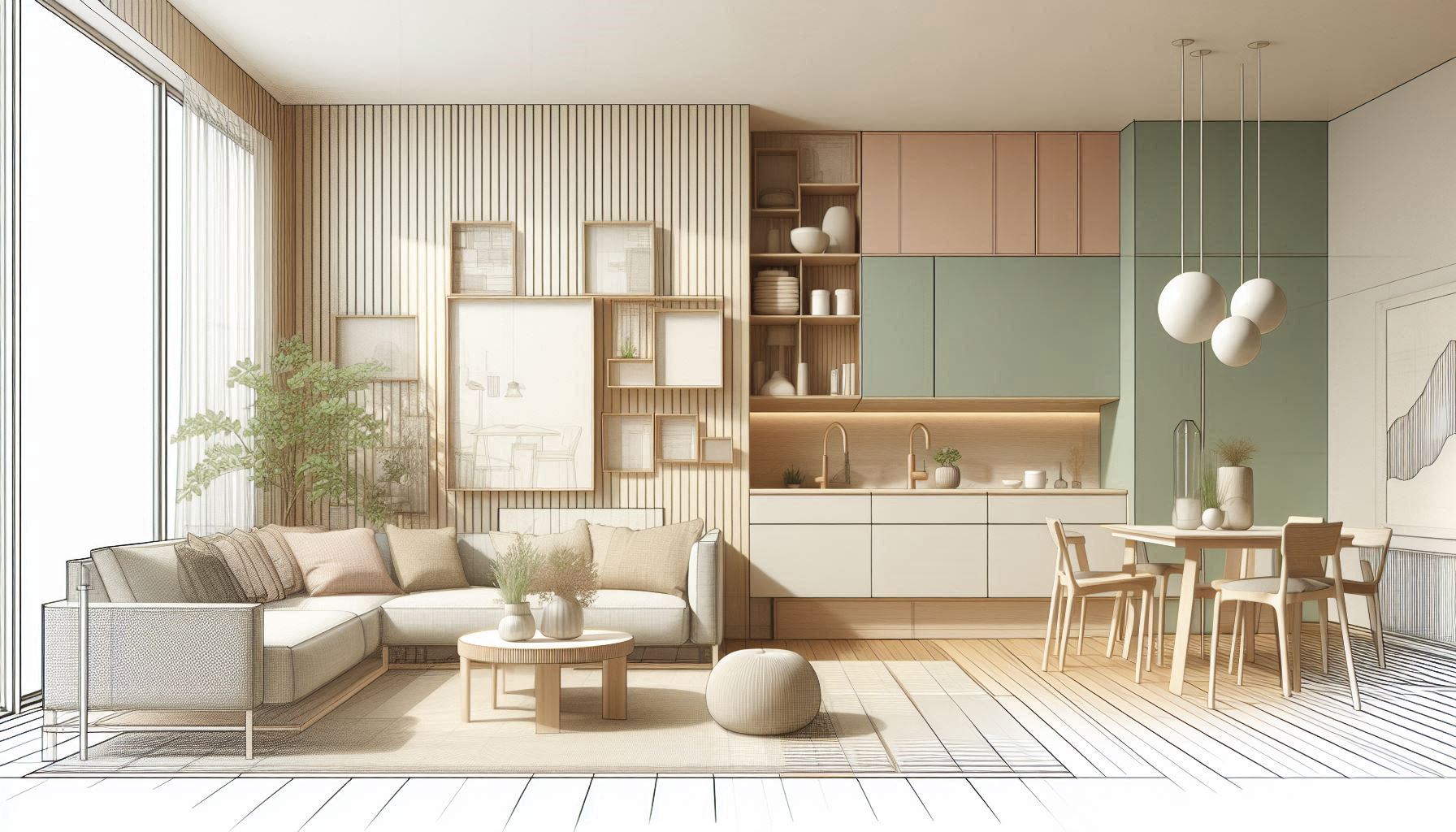
AI can be a valuable addition to the design process. It helps designers explore different directions, compare ideas, and communicate concepts before committing to a final design.
For commercial interiors, it can support early exploration of layouts, finishes, and possible arrangements. These tools can make it easier to discuss ideas and identify directions worth investigating.
But speed is not the same as certainty.
A convincing visualisation does not prove that a design is buildable. Technical information, product details, and generated suggestions still need to be checked. Nor does producing more options necessarily mean making better decisions.
The real value lies in using these tools to explore possibilities, then deciding which ones are worth pursuing.
The Questions Behind the Brief
At
Remarcable, our approach is rooted in
Emotionally Comfortable Spaces. We look beyond how an interior should look and consider how people should feel and function within it.
That starts with understanding what the client actually needs.
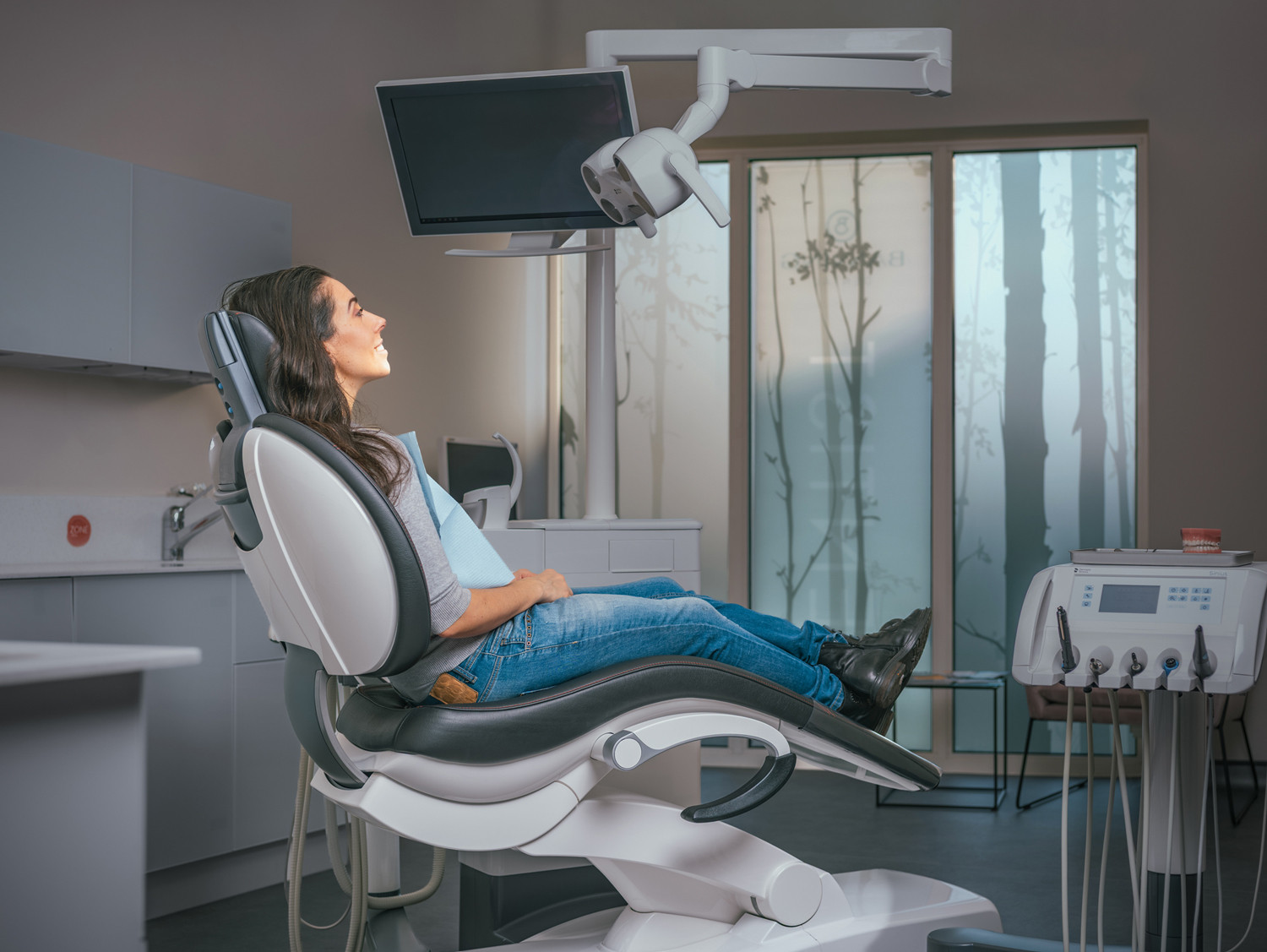
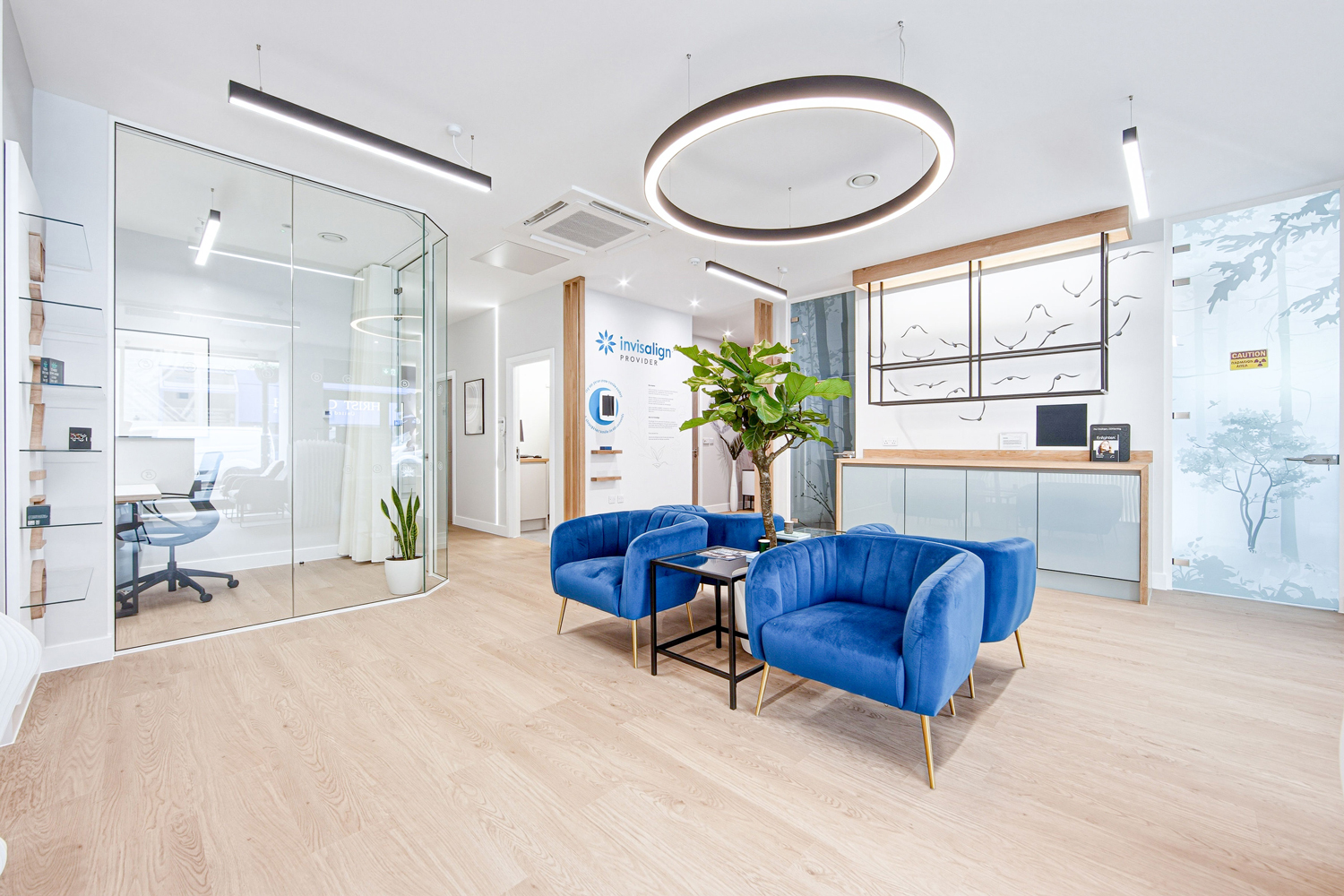
Imagine a healthcare practice wants its waiting area to feel calmer and more welcoming. AI could quickly produce several visual directions, from softer colours to different furniture arrangements.
But what if the real problem is a lack of privacy? Perhaps patients are not sure where to go when they arrive. Or the layout makes the room feel crowded, even when there are enough seats.
Changing the colours might improve the appearance without addressing the underlying problem.
This is why we ask questions and look beyond the initial request. What does the client mean by welcoming? What is making the current space uncomfortable? How do patients experience the practice, and what do staff need to work effectively?
The answers help us identify what needs to change and why.
Once we understand the problem, AI can help us explore possible solutions. But recognising what is happening, interpreting people's needs and deciding how best to respond require context and judgement.
The aim is not simply to make a space look comfortable. It is to understand what will make it feel that way to the people using it.
Seeing the Whole Picture
A design decision rarely exists in isolation.
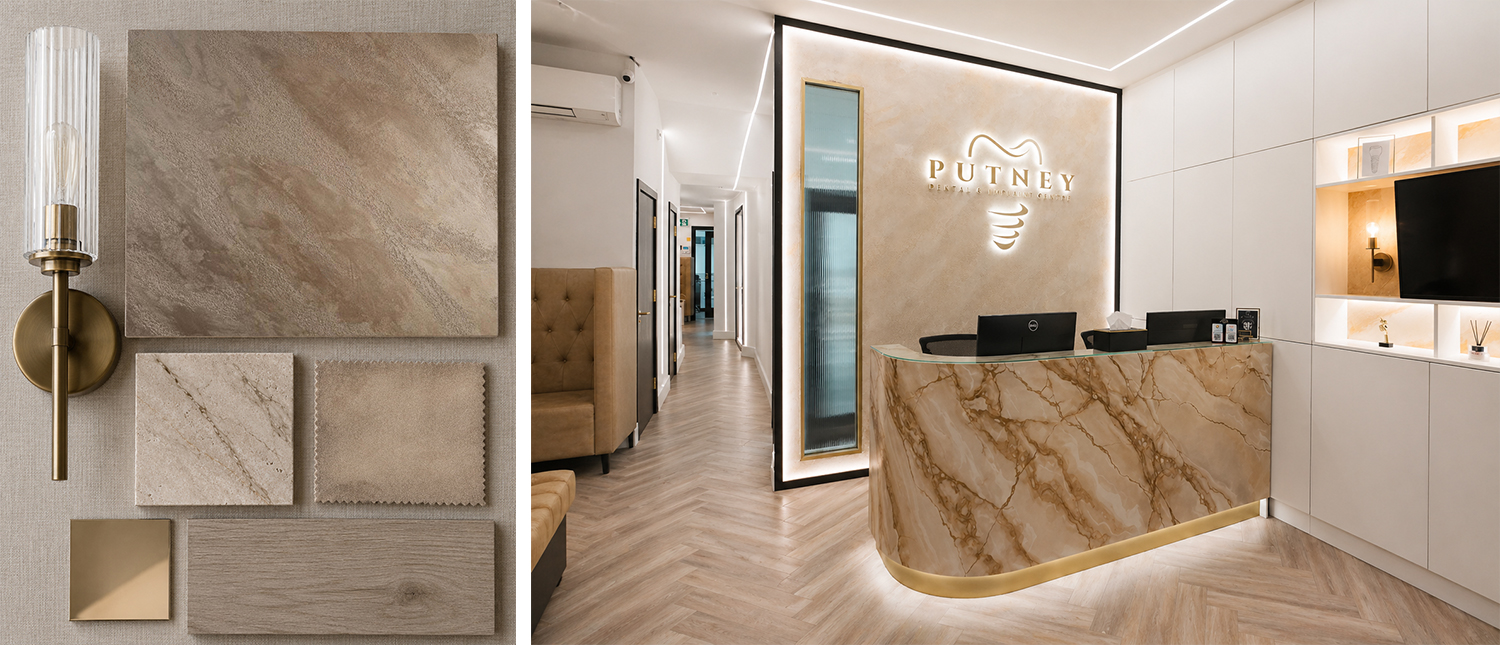
A material that creates the right atmosphere must also suit the practical demands of the space. A layout that improves the patient experience must work for staff, too. An ambitious concept needs to fit the budget and support the business's wider objectives.
These priorities are connected, but balancing them is not always straightforward.
A visually striking reception might impress visitors but create congestion. A layout might give patients more privacy while making staff movement less efficient. A premium finish might suit the brand but leave less budget for changes that would have a greater impact on everyday operations.
Good design means understanding these trade-offs and deciding what matters most.
It also means looking beyond the immediate result. How might the business develop? Will the space remain practical as its needs change? Which investments are likely to deliver lasting value?
AI can help us compare possibilities, but it cannot determine the client's priorities on its own. That requires an understanding of the project as a whole: the people, the practical requirements, the budget and the commercial purpose.
The Difference Between an Image and a Lived Experience
Even the most convincing visualisation captures only a moment.
It cannot, by itself, show what happens when a room gets busy, when daylight changes, when equipment needs servicing or when people use the space in ways that were not anticipated.
A waiting room might look serene but offer too little privacy. A workplace might photograph beautifully yet struggle to accommodate the way a team actually works. A layout might appear spacious but create awkward routes through the building.
These are not necessarily failures of visualisation. They are reminders that an image illustrates a possibility; it does not prove how well that possibility will work in practice.
A finished interior has to respond to real conditions and everyday use. Its performance becomes clearer as people move through it, work in it, and make it part of their routines.
That is why the journey from concept to completed space matters just as much as the image that starts it.
Using AI Without Losing the Human Element
The question is not whether AI belongs in interior design. It is how we use it well.
It can help us explore concepts, communicate ideas, and investigate alternatives more efficiently. Used thoughtfully, it creates more opportunity to evaluate the options rather than simply produce more of them.
But technology does not remove the need to understand the brief, verify technical details, or weigh competing priorities. Those decisions still need to be made with the people who will experience the space in mind.
At
Remarcable,
Emotionally Comfortable Spaces reflects our belief that successful design must bring together human experience, practical performance, and commercial purpose.
AI can help us imagine what a space might become. Understanding what it needs to become, and making the right decisions to bring that vision to life, is where thoughtful design makes the difference.
Ultimately, the image is one part of the process. What matters is what the space makes possible for the people and business behind it.