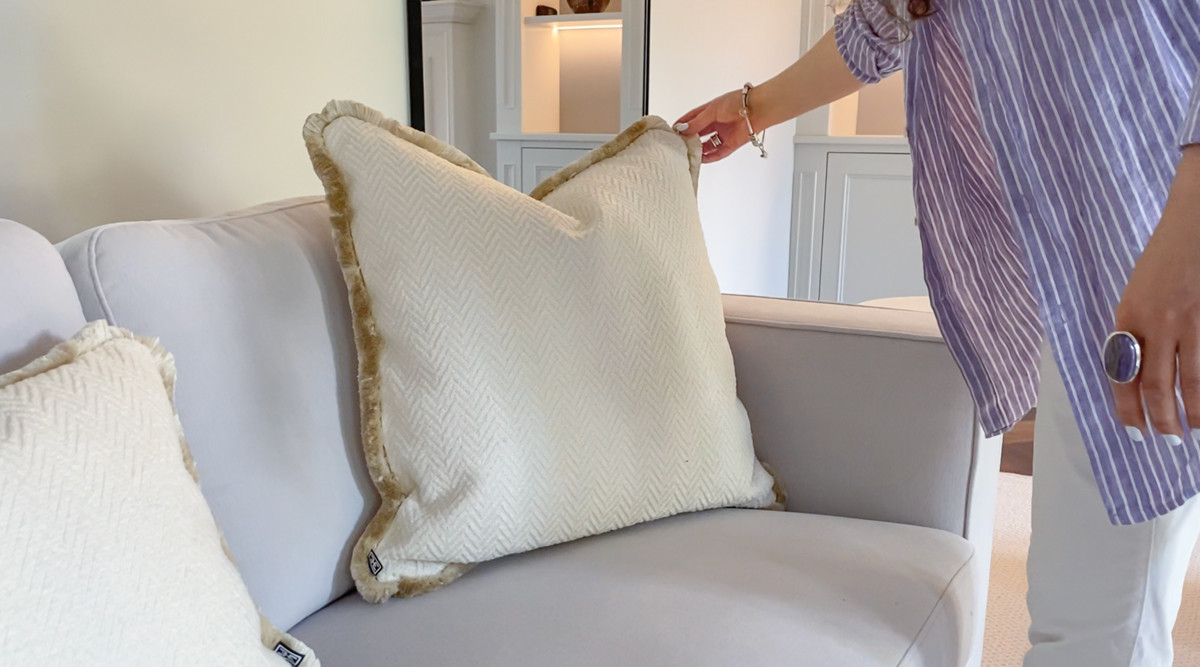
As the days get shorter and the weather turns crisp, the desire to sink into a space that feels like a warm embrace becomes universal. Cozy interiors transcend mere trends; they embody a timeless design philosophy that focuses on creating comfort, warmth, and deep relaxation wherever they are found.
At Remarcable Design, we recognise that this need for sanctuary is no longer confined to residences. It has become a vital component of modern design in high-stakes environments such as healthcare and commercial settings. A well-designed cozy space actively works to reduce anxiety, improve focus, and enhance overall well-being.
True comfort engages all the senses, transforming any environment into a refuge. Here is our guide to achieving truly cozy interiors, tailored for diverse environments:
1. The Power of Texture
Cozy design is deeply tactile, engaging the sense of touch to transform a cold, sterile environment into a warm, inviting one. In both residential and commercial settings, integrating varied textures instantly softens hard lines and cold surfaces.
Soft Furnishings and Layering
The principle is simple: a room with flat, smooth surfaces feels cold, while one filled with rich textures invites you to settle in.
- Throws & Blankets: Drape chunky knit throws, faux fur blankets, or soft cashmere over sofas and armchairs for a cozy touch. In commercial areas, this is often done subtly over lounge furniture to add an immediate sense of home. The key is to offer options for snuggling.
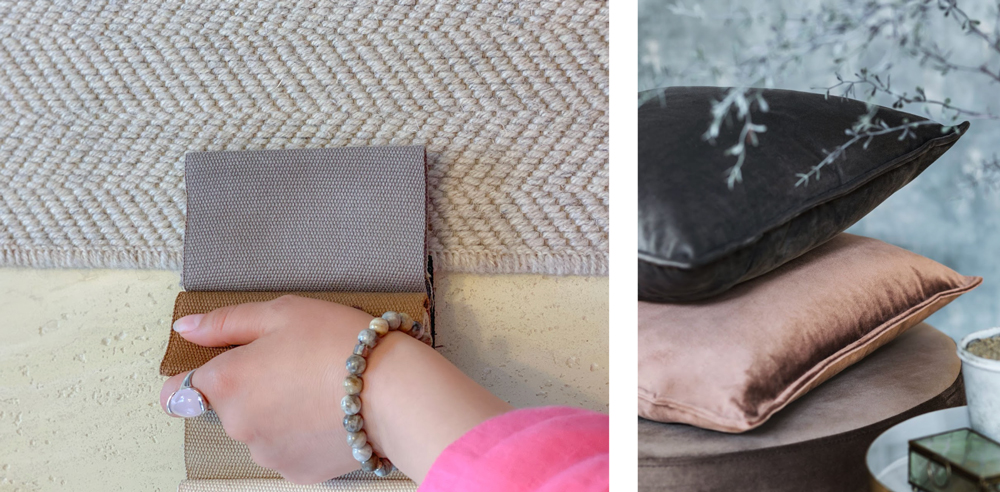
- Pillows: Mix and match materials like linen, velvet, wool, and cotton on your seating. Don't be afraid to use extra pillows; they equal extra comfort and visual softness. In high-traffic or healthcare areas, specify fabrics like Crypton or commercial-grade velvets that are highly durable and easy to clean while still providing that desired plush feel.
Rugs and Sound Absorption
Start the layering process from the ground up, which is especially important for minimising noise in commercial spaces.
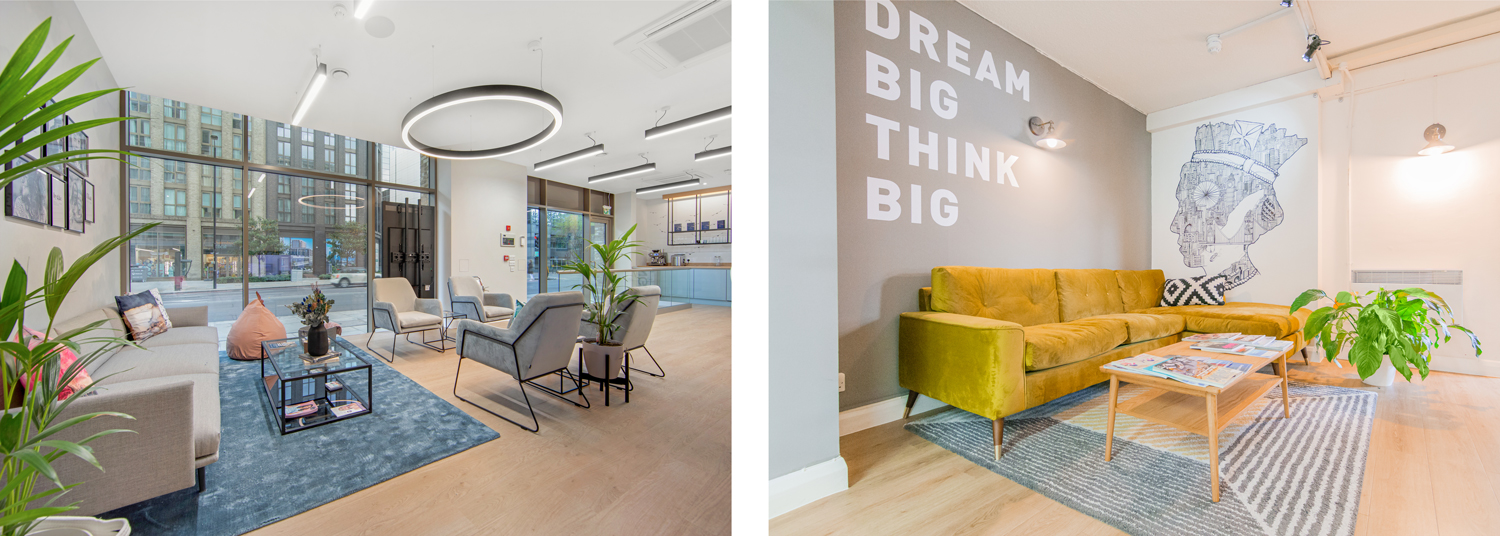
- Area Rugs: A plush, high-pile rug instantly adds warmth and softness to any space. A large, high-quality area rug in a reception or lounge area not only defines the space but also adds a crucial layer of sound absorption, muffling noise, and creating a quieter, more serene environment, a major factor in patient comfort.
Natural and Rich Materials
To counteract the coldness of structural materials, incorporate elements with natural warmth and inherent character.
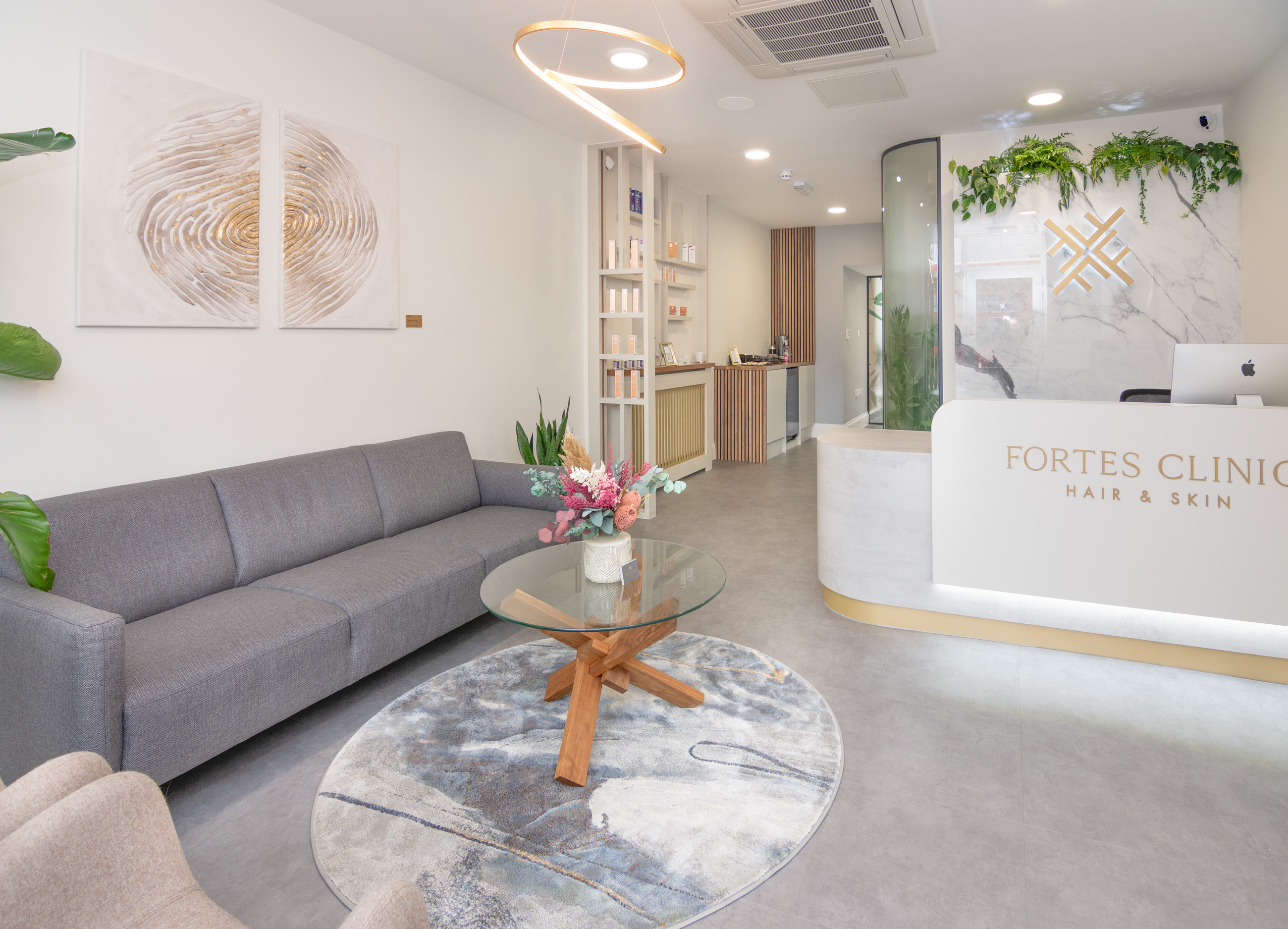
- Natural Materials: Incorporate warm, rich materials like reclaimed wood, bamboo, cork, and stone. These elements feel grounded and inviting due to their organic nature. For instance, a reception desk with a wood grain finish is far more welcoming and less institutional than one made of cold laminate or steel. The imperfection-rich surfaces add character and warmth, contributing to a cozy aesthetic.

2. The Science of Warm Lighting
Lighting is the most crucial element in setting a cozy mood and is the key to balancing the needs of a clinical or commercial space with psychological comfort. Harsh, single-source overhead light is the enemy of coziness.
Colour Temperature and Mood
The colour of your light, measured in Kelvin (K), has a dramatic impact on the mood of a space.
- Warm Tones for Comfort: For all ambient (non-task) areas such as waiting rooms, lounges, and residential living spaces, use bulbs with a warm colour temperature between 2,700K and 3,000K. This is known as "warm white" and effectively mimics the glow of candlelight or a fireplace, instantly promoting immediate relaxation and making the room feel warmer.
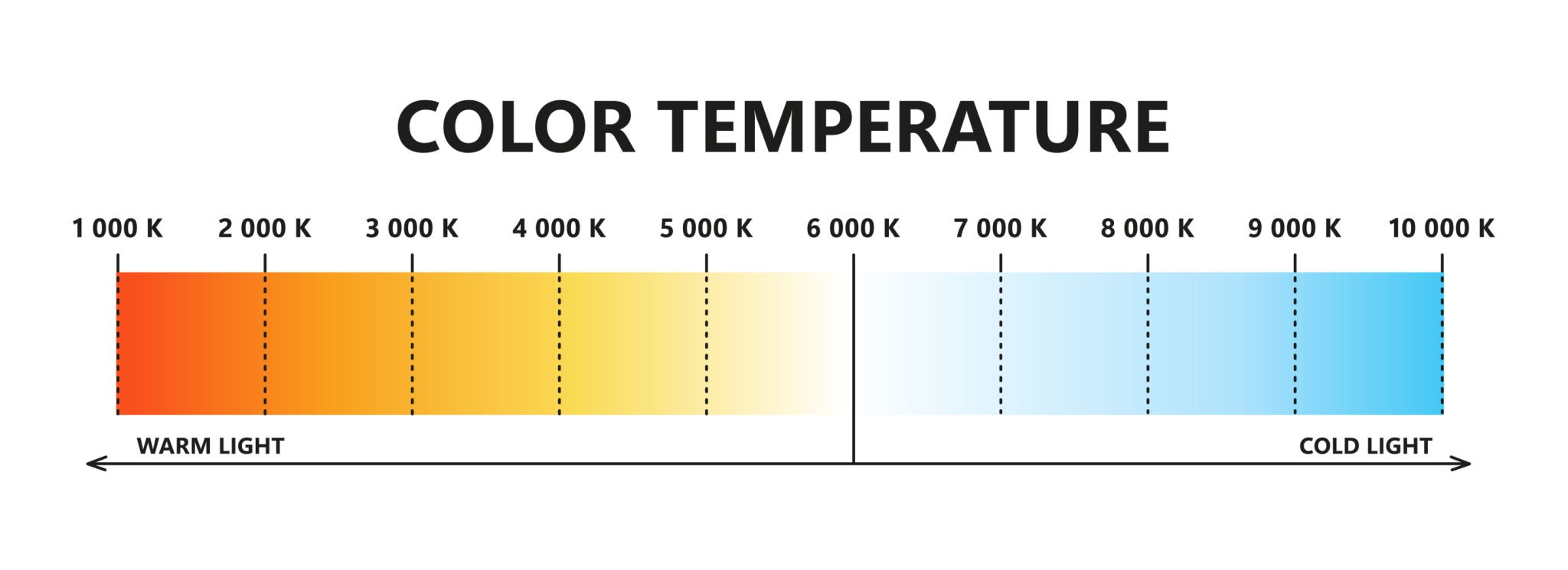
- Balancing Function (Dental/Medical): In clinical areas where accurate colour rendering is crucial (e.g., matching dental prosthetics), task lighting must remain in the natural daylight range (5,000K to 6,500K) for clinical accuracy. This functional light, however, must be contained. The peripheral or ambient light sources in the same room should still use warmer tones and include dimming controls to instantly shift the room's mood from functional to relaxing once the task is complete.
Ditching the Single Source
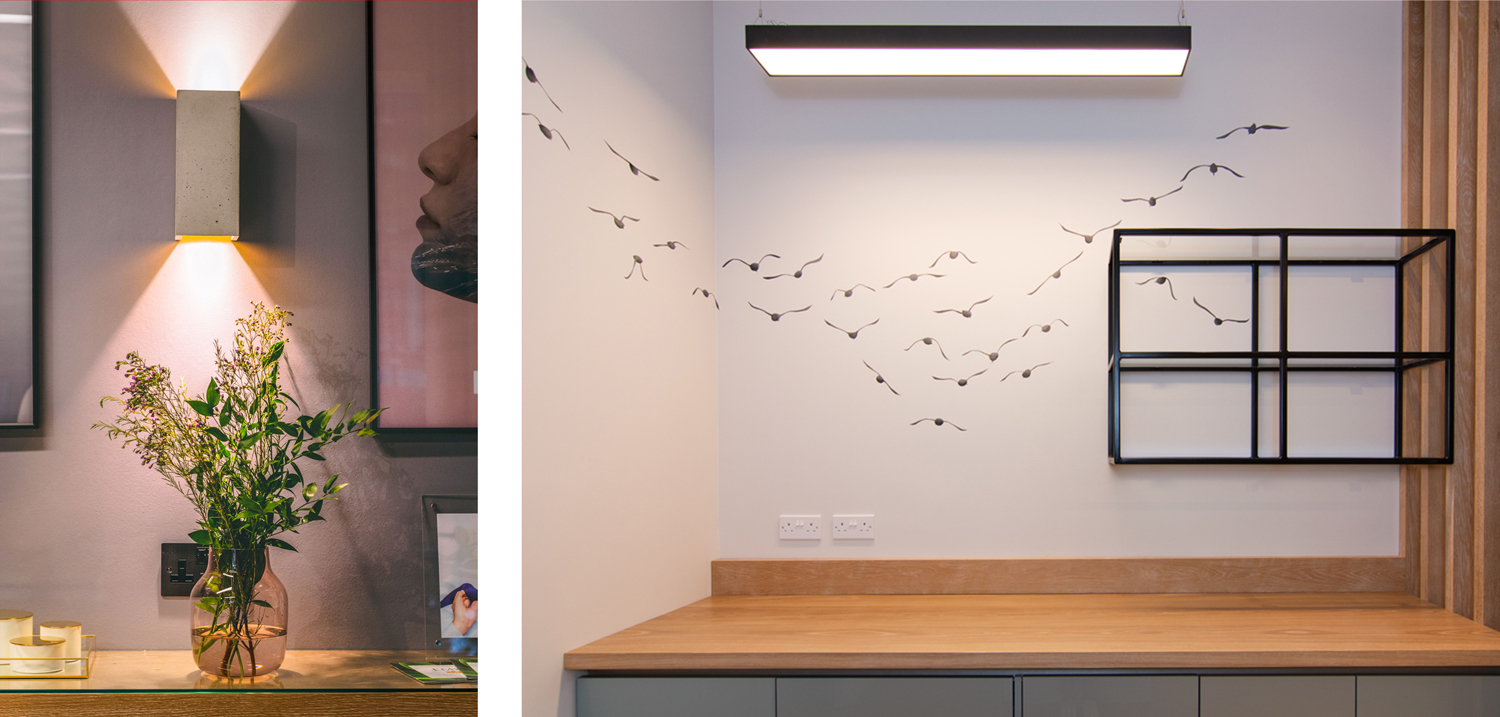
Relying on multiple, smaller light sources creates depth and intimacy, avoiding the flat, institutional feel of a single, bright overhead fixture.
- Accent Lighting Positions: Use floor lamps, table lamps, and wall sconces positioned at eye level or lower. This strategic placement creates horizontal bands of light, which feel more intimate and less institutional. Use these to highlight textures or architectural features.
- Dimmer Switches: Install dimmers wherever possible. Being able to adjust the light intensity is essential for transitioning the room from daytime function (brighter) to evening relaxation (softer).
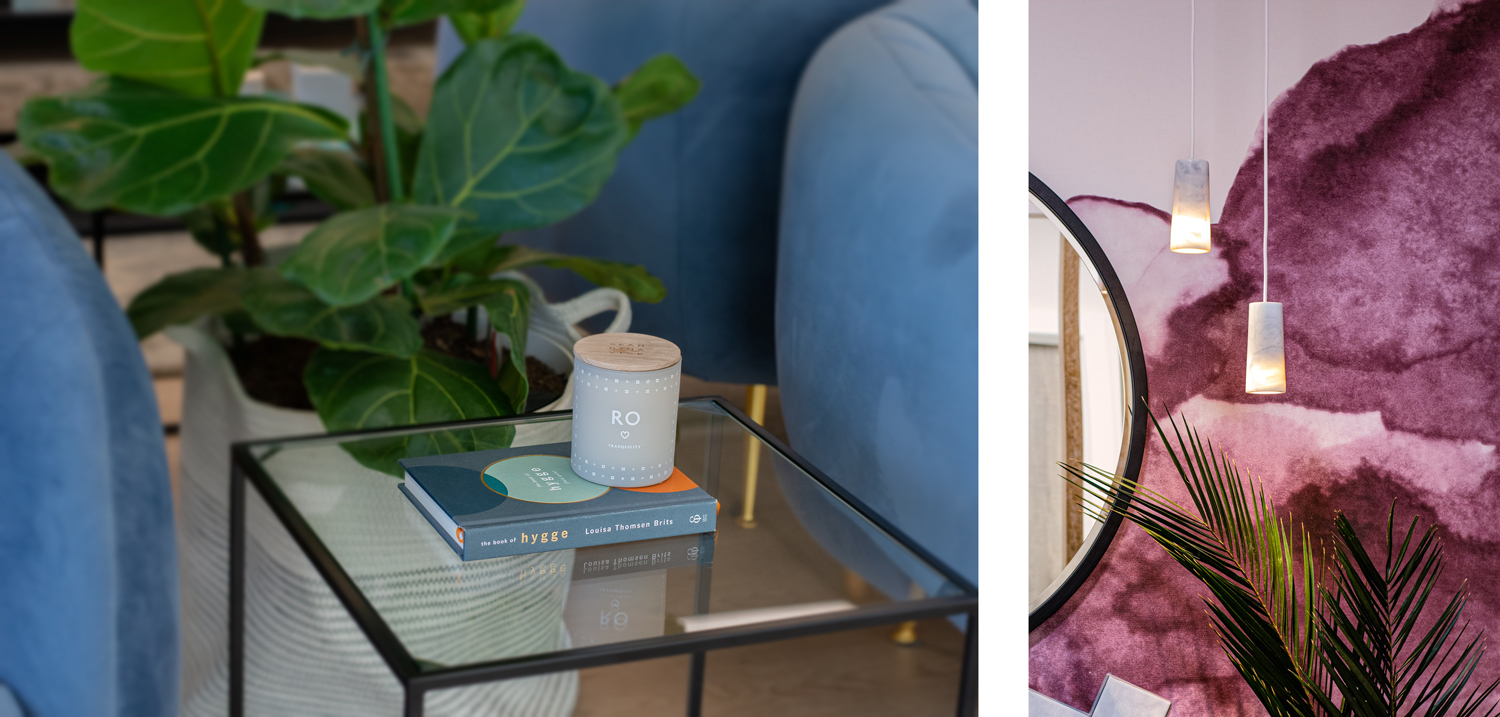
- Candles: The gentle flicker of real or high-quality battery-operated candles adds an unmatched level of hygge (the Danish concept of cozy contentment) and sensory warmth to low-traffic areas.
3. The Right Colour Palette
A cozy interior moves beyond sterile, cool tones to embrace colours that feel grounding and enveloping. Colour choice is deeply psychological and essential for creating a sense of refuge, especially when designing for healthcare or commercial comfort.
Deep Neutrals for the Backdrop
The primary wall and base colours should reflect light softly and provide a non-distracting, comforting backdrop.
- Swap Cool for Warm: Ditch the icy whites and stark, cool greys. Instead, opt for creamy ivories, warm taupes (beige-grey), or earthy browns. These deep neutrals immediately lend a soft, welcoming feel to any space, unlike their cooler counterparts, which can feel chic but cold.
Rich Accent Tones
Incorporating saturated colours strategically provides a feeling of enclosure and depth, making a large room feel more snug.
- Jewel and Earth Tones: For a bolder look, incorporate broad, saturated accents like forest green, deep navy blue, warm ochre, or burnt orange/burgundy. These tones should be used sparingly, perhaps on a single accent wall, through robust upholstery, or in significant pieces of artwork. These colours close in the room just enough to make it feel intimate without being overwhelming.
The Comfort of Natural Wood
The organic warmth and texture of wood are inherently comforting and must be included in the colour palette discussion.
- Exposed Elements: Ensure you have plenty of natural wood elements, whether in flooring, beams, bespoke joinery, or furniture. The warm, organic grain adds a crucial layer of visual texture and a sense of timeless comfort that offsets any cold, manufactured surfaces.
4. Integrate Nature & Scent
Bringing the outdoors in is a powerful tool for achieving coziness, especially in commercial and healthcare settings. This approach, known as Biophilic Design, is proven to reduce blood pressure, lower stress hormones, and expedite healing, making it essential for creating a truly nurturing environment.
Potted Plants and Greenery
Integrating living elements instantly counteracts the typical sterility of institutional spaces.
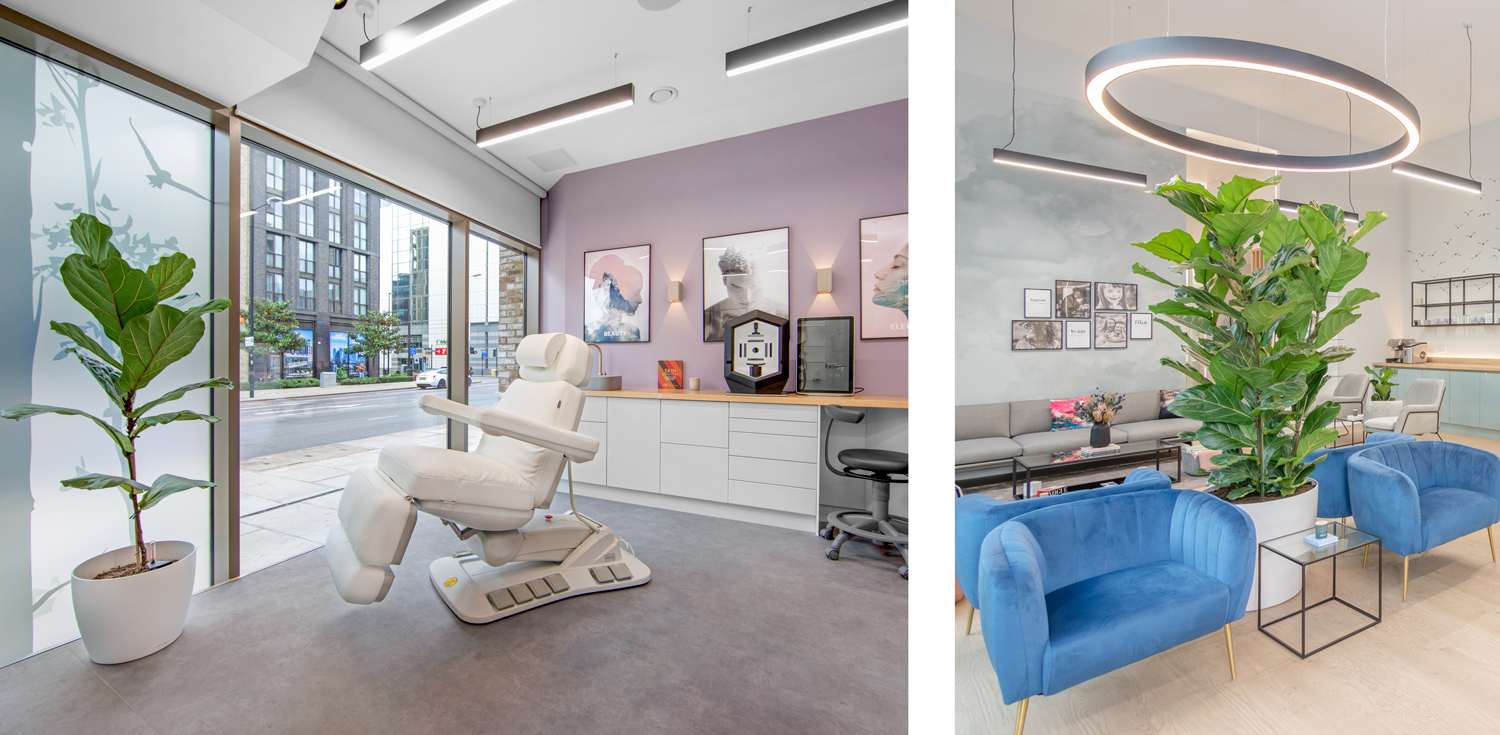
- Potted Plants & Green Walls: Integrate real, low-maintenance potted plants or large-scale preserved moss walls. Greenery not only helps purify the air but also adds life, organic texture, and a crucial non-visual connection to nature.
Natural Materials
These elements connect us to the earth and introduce texture that is rich in character and warmth.
- Materials: Incorporate organic, tactile materials like stone, rattan, wicker, cork, and reclaimed wood. These imperfection-rich materials provide a continuous, calming connection to nature that contributes to the cozy aesthetic.
Aromas and Scent Zoning
Scents are powerful memory triggers and can transform the mood of a room. Use them strategically (a concept called "scent zoning") for a complete sensory experience.
- Strategic Aromas: Use professional-grade diffusers to deploy aromas based on the room's purpose:
Calming Areas (Lounge, Consultation): Scents like lavender or sandalwood are excellent for reducing anxiety and promoting rest.
Alertness/Focus Areas (Office Pods): Citrus (orange) or peppermint can be used to boost concentration and energy.
Welcoming Areas (Reception): Subtle, universally pleasant scents like cinnamon or fresh linen help create a memorable, comforting brand impression.
5. Decorative Items and Bespoke Touches
Moving beyond generic, sterile decor, a cozy interior introduces intentionality and personalisation. The goal is to make the space feel lived-in and deliberately cared for, which significantly reduces the institutional feel of commercial or healthcare settings.
Personalised Comfort and High-End Detail
Introduce elements that feel customised and high-quality, signalling attention to detail and care for the user.
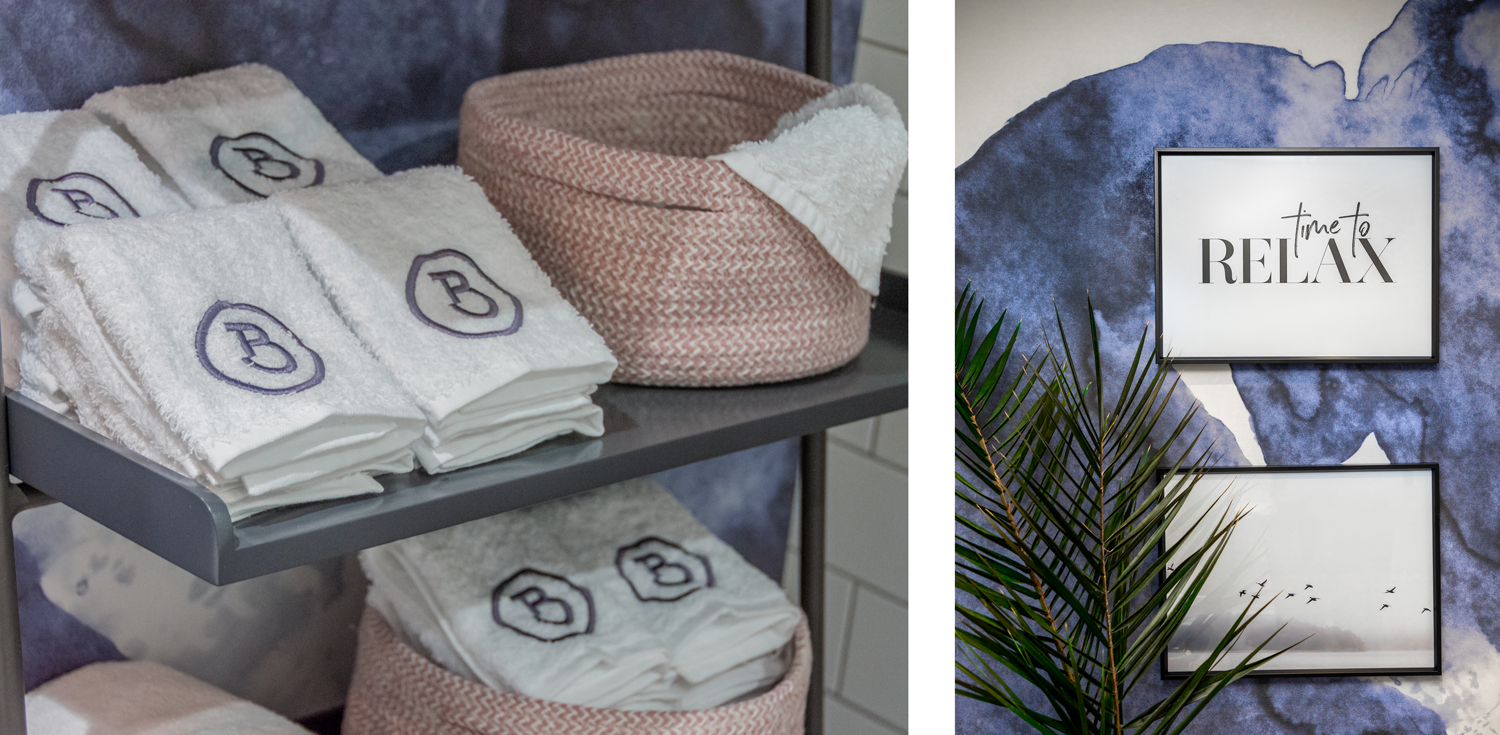
- Personalised Elements: This could mean incorporating touches that feel exclusive and soft, such as monogrammed or high-quality, plush hand towels in a wellness center or client restroom. Other examples include locally sourced artisan ceramics or premium, aromatic hand soap in restrooms.
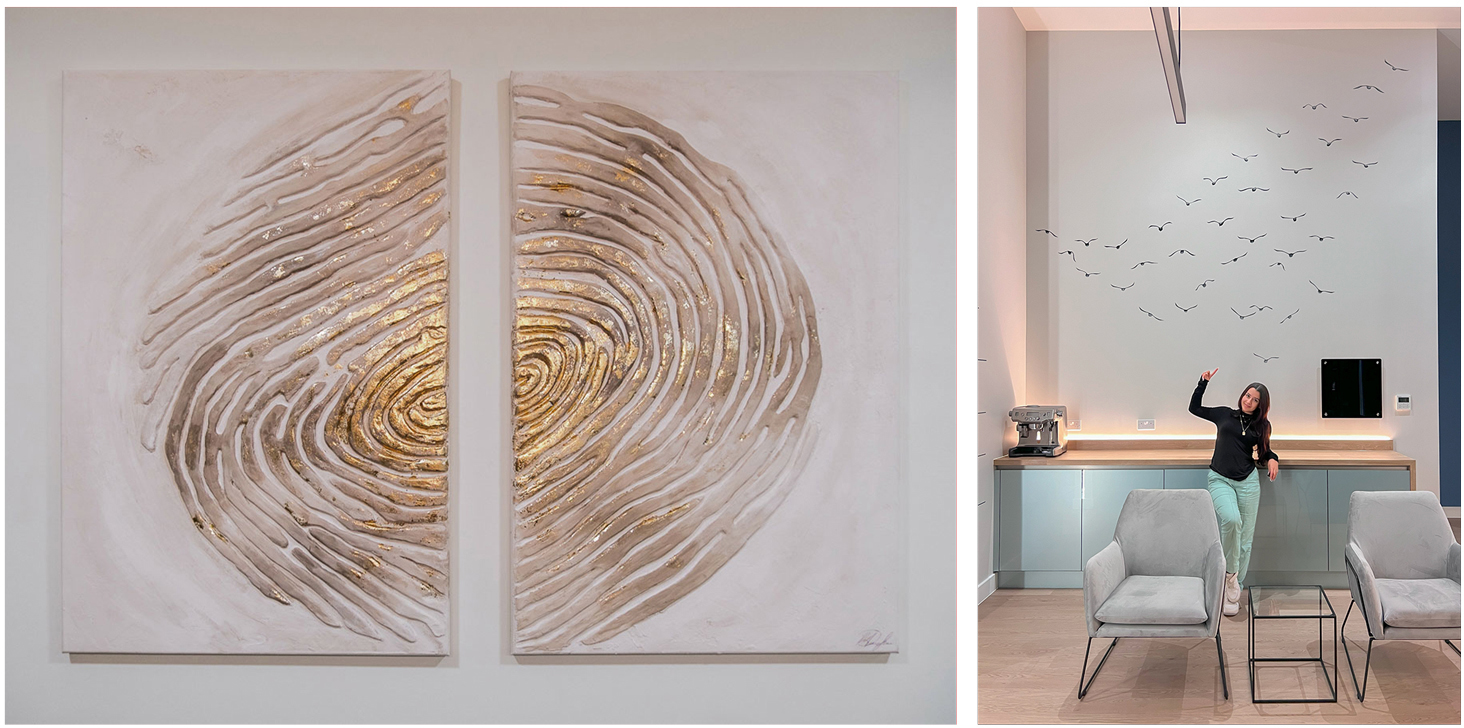
- Curated Artwork: Select artwork that evokes calm, nature, or positive emotions, rather than mass-produced prints. Use frames and mounts that complement the warm colour palette and textures of the room, adding a layer of thoughtful design.
Sensory Enhancements and Curated Displays
Decorative items should contribute to the overall sensory experience and character of the space.
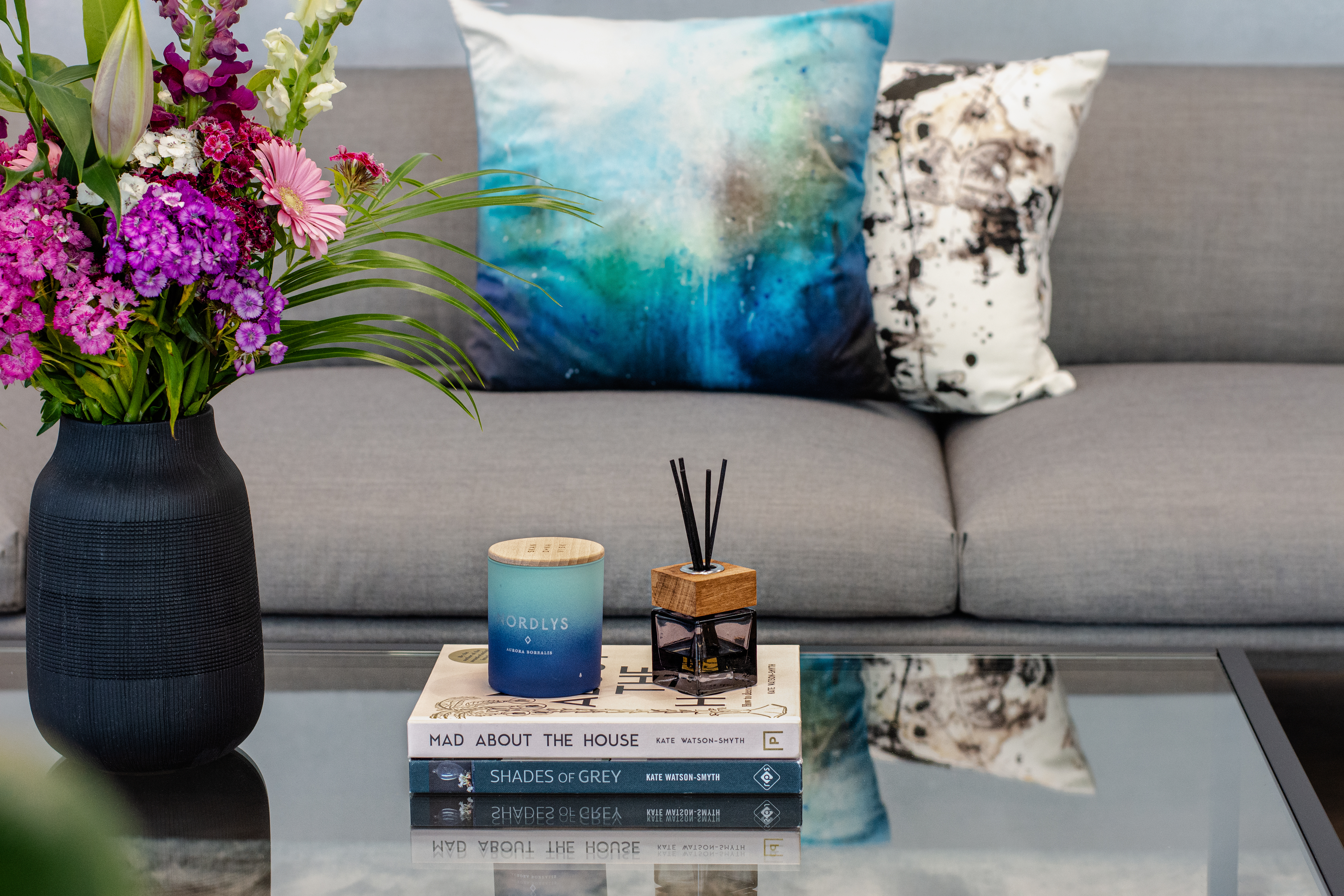
- Natural Aromas: While diffusers handle overall scent zoning, simple decorative touches like a vase of fresh flowers or a small herb garden (rosemary or mint) in a break room or waiting area provide a subtle, beautiful, and natural aroma.
- Intentional Groupings: Avoid random clutter. Use small, well-chosen groupings of items; a stack of beautiful books, ceramics, or small sculptures, to reflect character, add visual warmth, and anchor a cozy display on a shelf or side table.
Conclusion
A truly remarkable design doesn't just look good; it feels good.
By strategically employing a warm colour palette, layered textures, purposeful lighting, intimate zoning, and bespoke sensory touches, you can create spaces from high-pressure clinics and corporate conference rooms to relaxing residential condos that truly embrace comfort and soothe the mind and body.
Ultimately, a truly cozy interior reflects you and the people who use it. It's full of meaningful art, intentional comfort, and supportive places to rest and focus. Follow these principles, and you'll be well on your way to crafting a space that is perfectly snug and exceptionally restorative.
Ready to bring a sense of comforting warmth to your next commercial or residential project? Let Remarcable Design create a space that feels like coming home.