


Design
What Autumn Reveals About a Space - When Conditions Change.
The light begins to change. The evenings draw in. Windows stay closed for longer. We spend more time indoors. And gradually, our relationship with the spaces around us changes too.

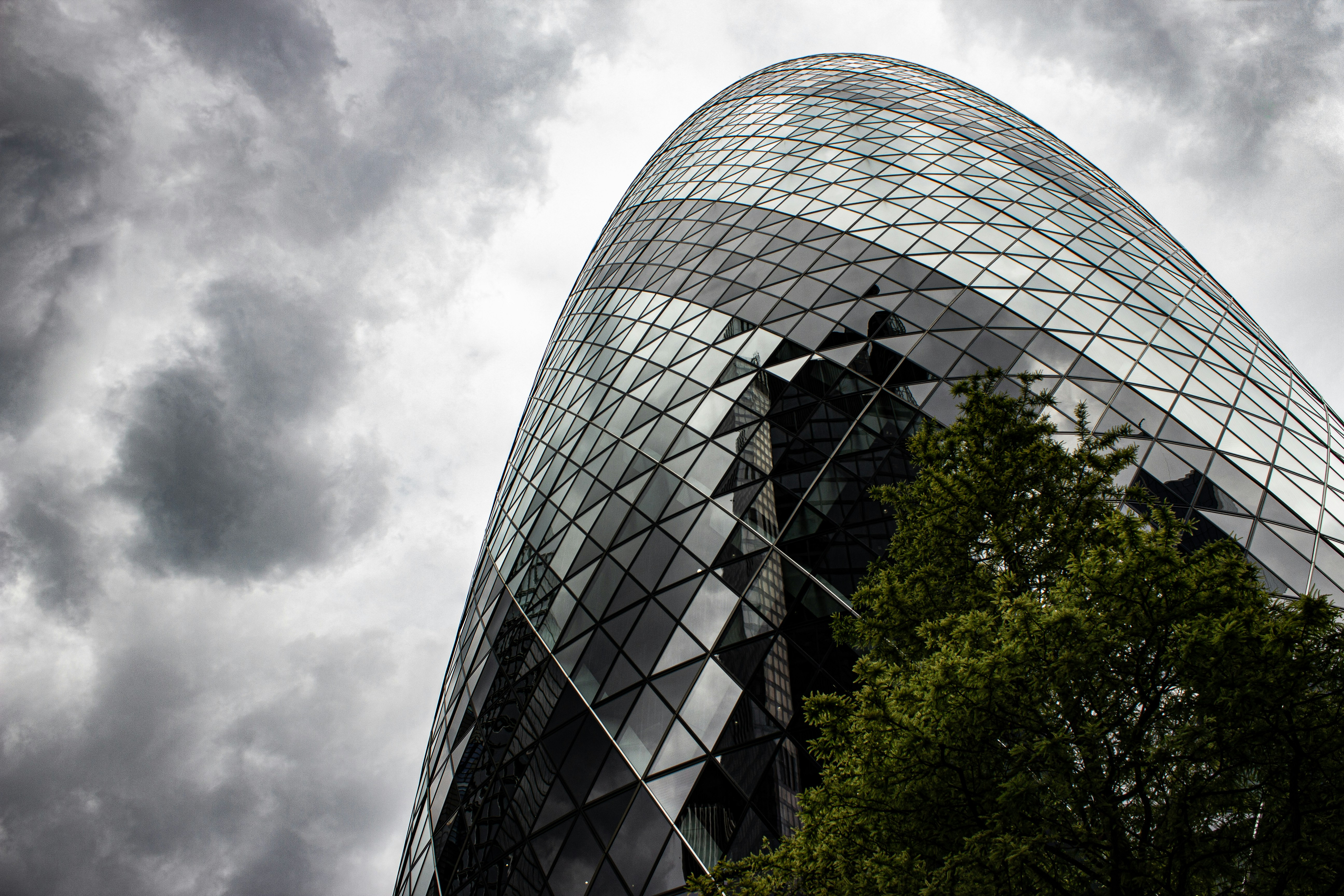
In 2026, the "eco-friendly" label has been retired. High-end design is now inseparable from carbon performance. Meeting London's mandates doesn't require a compromise on luxury; it requires a strategic Material Evolution that elevates asset value while stripping out carbon liability.
5 minute read
26th February, 2026 | Remarcable
In 2026, the "eco-friendly" label has been retired. In its place is a hard-edged regulatory reality: the London Plan's Policy SI2. For the city's developers and CEOs, the Mayor's 2030 Net-Zero mandate is no longer a distant target; it is a live balance-sheet risk.
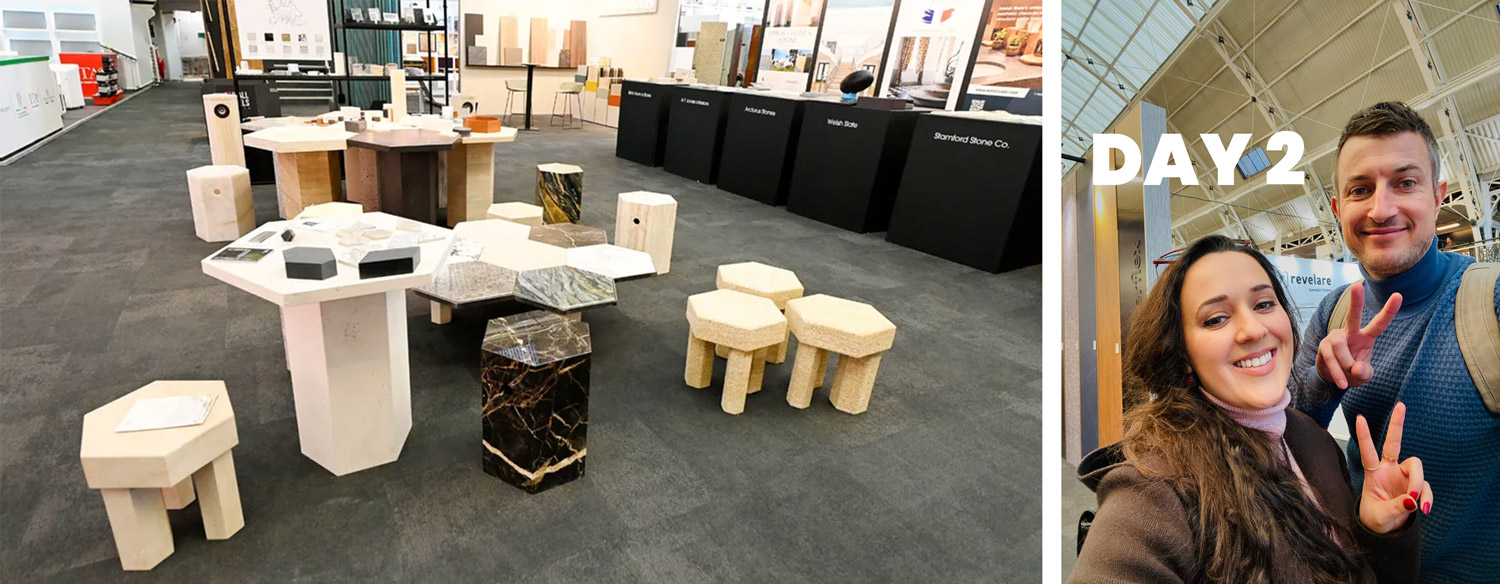
At Remarcable Design, our presence at this year's Surface Design Show in Islington confirmed what we have been advising our clients for months: high-end design is now inseparable from carbon performance. We aren't just selecting finishes; we are future-proofing portfolios.
Meeting London's mandates doesn't require a compromise on luxury; it requires a strategic Material Evolution that elevates asset value while stripping out carbon liability.
Market Reality: We recognise that sustainable materials and certification pathways such as BREEAM can increase upfront capital expenditure, particularly when introduced late in the design process. Not every low-carbon product justifies its premium, and indiscriminate specification can erode project margins.
The advantage lies not in adopting everything labelled sustainable, but in selecting strategically, integrating carbon intelligence early enough to distribute cost intelligently and avoid reactive, last-minute compliance inflation.
The "disposable office" isn't just an environmental problem; it's a financial one. Traditional fit-outs that are demolished every five years represent massive capital leakage and carbon debt. Our strategic approach champions Design for Disassembly, treating interior elements as high-quality, recoverable assets. By identifying and specifying modular, "click-and-move" systems, we help our commercial clients navigate the 35% on-site carbon reduction required for major developments under the London Plan.
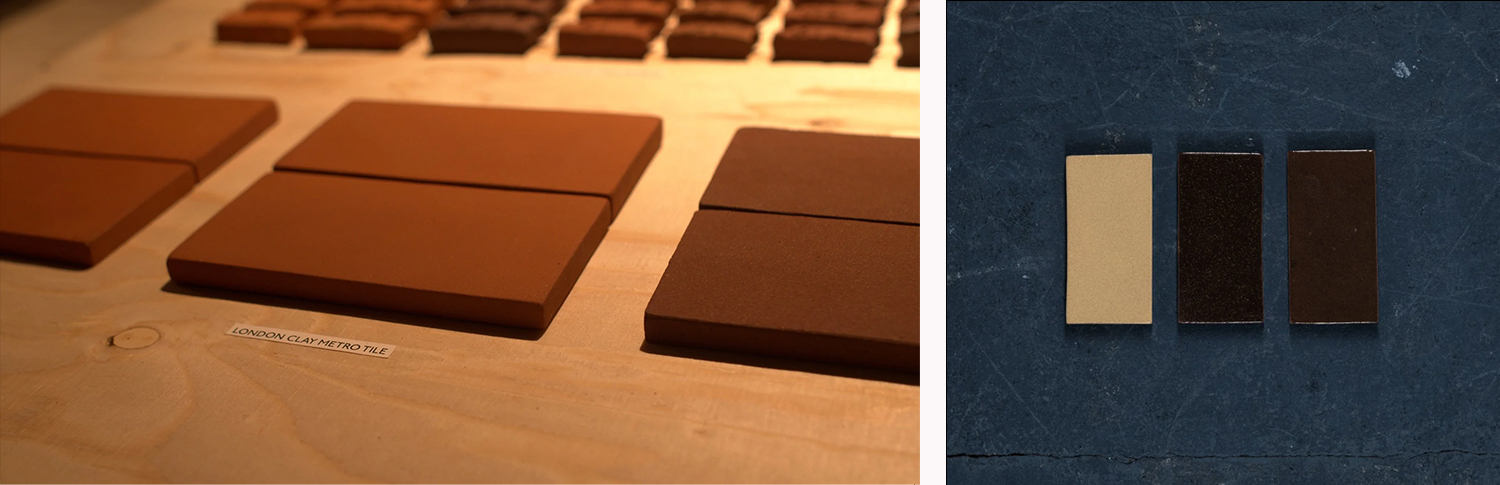
Impact in Practice: Homework Coworking Space
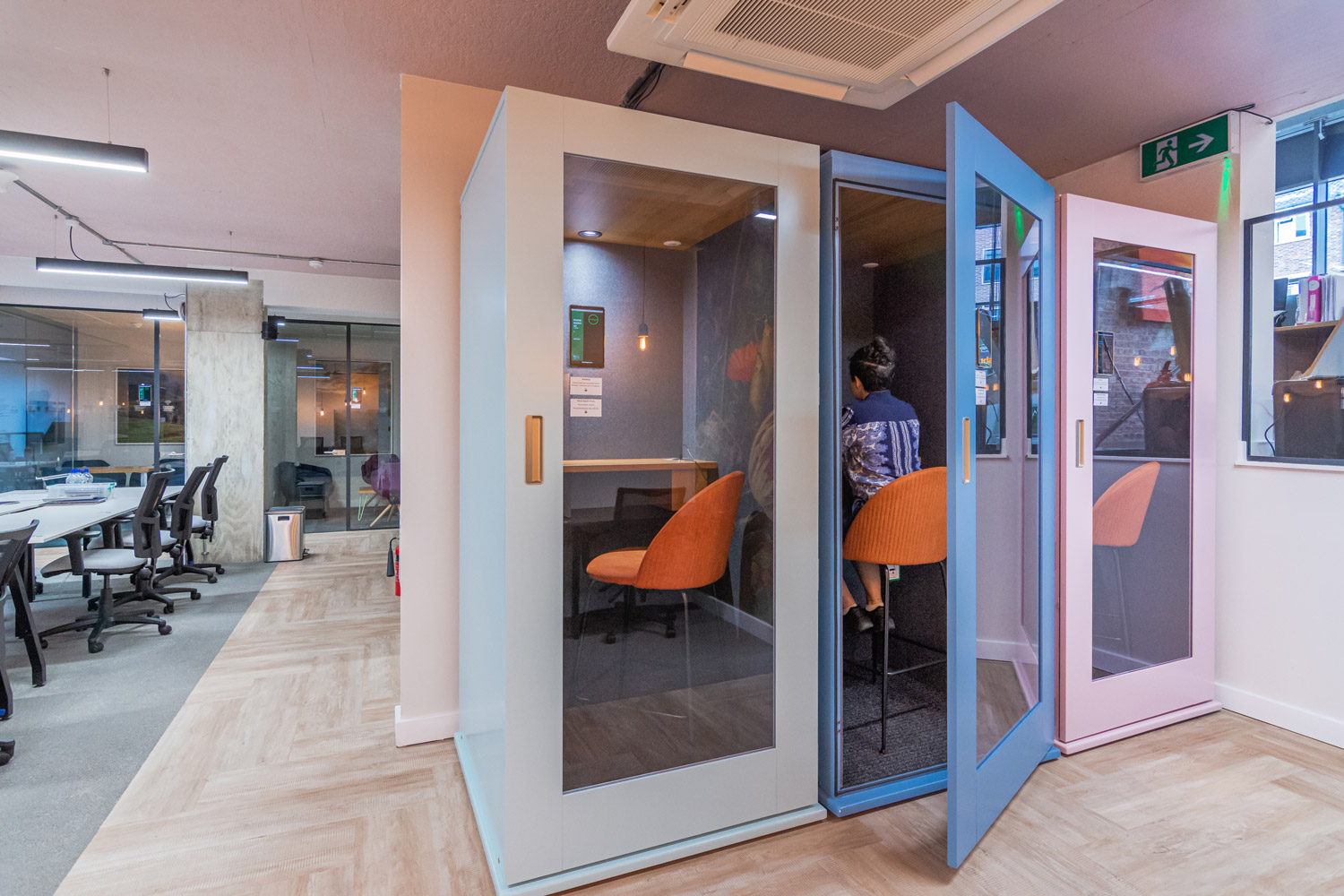
In our work for Homework Coworking, we moved away from static, permanent construction in favour of modular asset integration. Central to this was the deployment of high-performance privacy booths.
By choosing modular pods rather than built-in stud walls, we provided the client with a double-win: immediate acoustic and workflow optimisation for their users. These booths represent a movable asset that can be redeployed as the business scales, effectively de-risking their long-term capital expenditure and ensuring the fit-out remains an enduring part of the circular economy strategy.
Healthcare leaders are facing a dual challenge: strict hygiene mandates and a push toward carbon neutrality. We view the clinical environment not as a cost centre, but as a High-Performance Environment.

Impact in Practice: Richmond Physiotherapy Clinic.
For this clinical space, we moved beyond standard medical-grade finishes to implement a high-performance biogenic wall surfacing. This solution utilises a base of white eco-fleece, a sustainable backing crafted from recycled cellulose and textile fibers.
By choosing a material that is STANDARD 100 by OEKO-TEX® certified and entirely free from PVC, plasticisers, and solvents, we ensured the highest air quality standards for the clinic. The integration of hand-crafted petals, including roses, cornflowers, sunflowers, and light green moss, creates a regenerative atmosphere that brings the beauty of nature indoors.
Strategically, this installation proves that sustainability can meet the strictest clinical requirements: the surface is flame-retardant (B-s1, d0) and highly durable, serving as a functional tool for patient de-stressing. It is a clear example of how we use "material intelligence" to drive a superior patient experience without compromising on safety or technical performance.
The definition of luxury in London is being recalibrated. It is no longer about abundance; it is about longevity. The most valuable interiors are those designed to outlast trends and appreciate with time.
Our Strategic Perspective: In the residential market, sustainability is no longer an "eco-choice" but a hallmark of future-proofing. Moving away from disposable decor toward materials with documented Whole Life Carbon benefits ensures that a home remains an architecturally relevant, high-value asset that is resilient to both shifting trends and upcoming city-wide regulations.
Conclusion: The Cost of Inaction