Design
What Autumn Reveals About a Space - When Conditions Change.
The light begins to change. The evenings draw in. Windows stay closed for longer. We spend more time indoors. And gradually, our relationship with the spaces around us changes too.

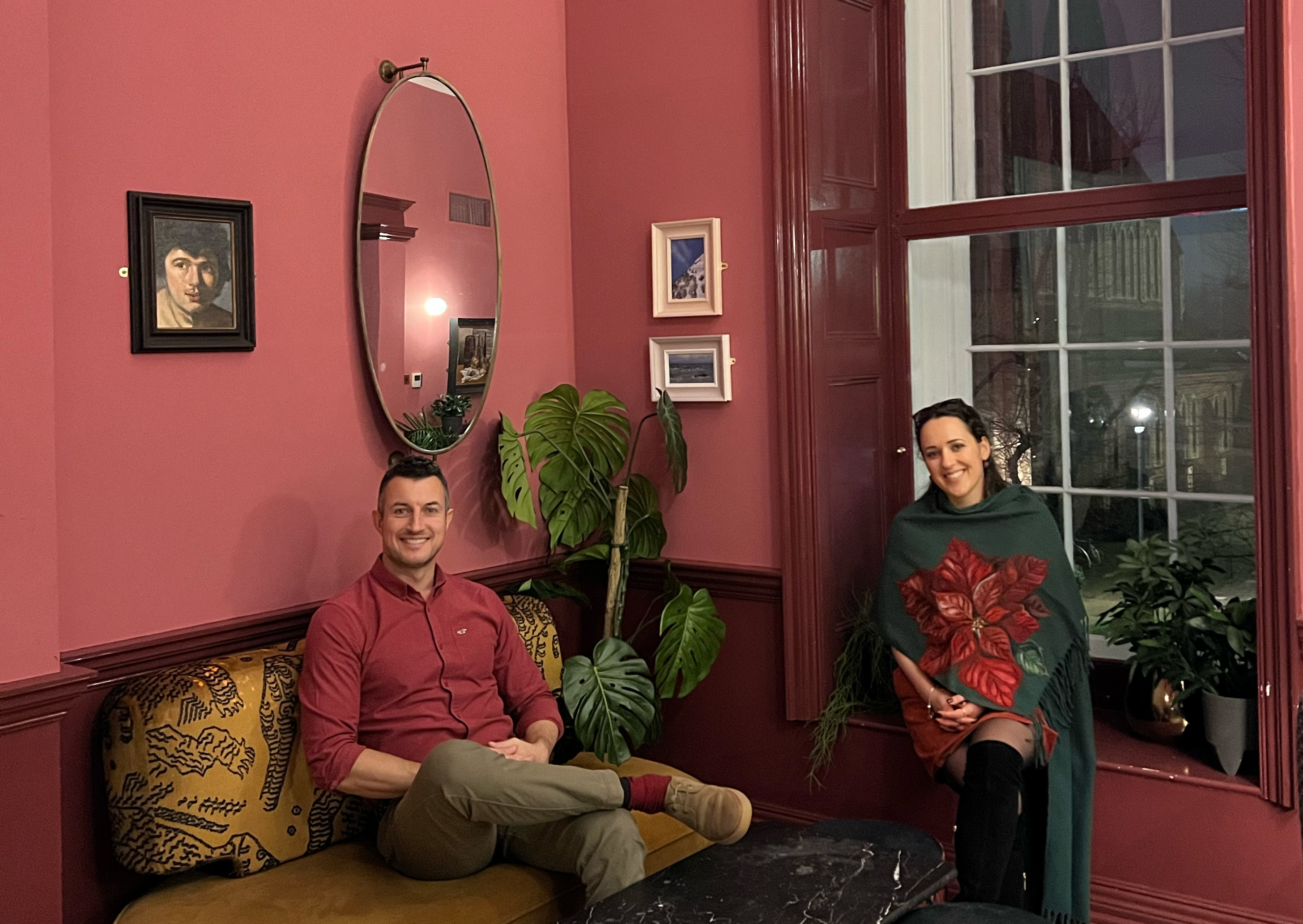
We sat down with our co-founders, Reni and Marc, for an unscripted Q&A to guide our year-end reflection, uncover the key learnings, and highlight the strategic vision for Remarcable Design moving forward.
4 minute read
17th December, 2025 | Remarcable
As the calendar turns on 2025, we at Remarcable Design are taking a moment to reflect on our design and appreciate a truly transformative year.
From architecting sophisticated commercial spaces and cutting-edge healthcare facilities to embarking on deeply personal domestic projects, this year demanded an even deeper commitment to intentional, restorative design. It was a period of both scaling interior design services and profoundly deepening our design philosophy, particularly our approach to human-centric design.
We sat down with our co-founders, Reni and Marc, for an unscripted Q&A to guide our year-end reflection, uncover the key learnings, and highlight the strategic vision for Remarcable Design moving forward.
Q1: What was the Overarching Theme That Defined Remarcable Design's Projects This Past Year?
This year was all about deepening roots while continuing to scale. We've grown alongside our long-standing clients, expanding existing spaces and helping them evolve into their next chapter, and scaling together nationally.
We also had the privilege of taking on several projects for family-run brands; assignments that naturally became more personal. When you work with people whose businesses are intertwined with their stories, trust becomes the foundation of every design decision. These collaborations reminded us why we do what we do: to build spaces that strengthen relationships, not just operations.
Q2: How Has Remarcable Design's Expertise in Human-Centric Design Evolved in the Last Twelve Months?
This year, we took a brave opportunity to step into the domestic interior design London sector, and it pushed our human-centric design philosophy to a whole new level. Designing for commercial interior design requires empathy for teams and customers, but designing for a family requires an understanding of their entire rhythm of life.
Working inside someone's home on a large-scale project meant diving deeply into how each family member lives, thinks, and interacts with their environment. We spoke with the individual members to understand their goals, their habits, everything from where they like to chill to the flow of morning routines.
This level of insight shaped an interior that not only functioned well but also actively supported their well-being. That's where human-centric design becomes powerful: it transforms spaces into tools for better living. This domestic expansion sharpened our ability to design with empathy, precision, and long-term thinking, a skill set that we now bring back into our commercial interior design work with renewed depth.