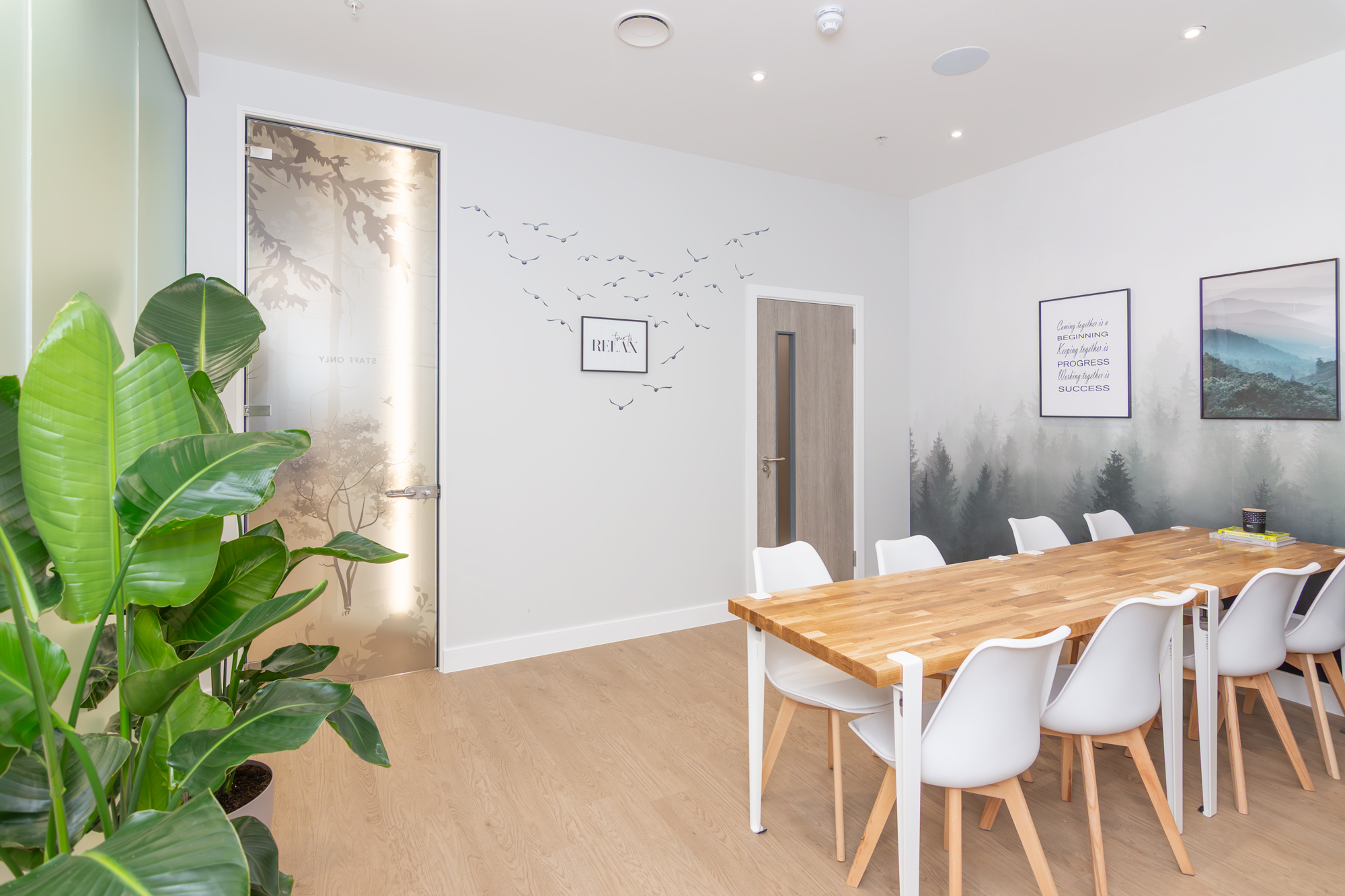
Designing for Warmth, Wellness, and Purpose: 2026 Design Trends

In 2026, we are witnessing a definitive move away from the "sterile" look of the past decade. Cold minimalism is being replaced by warmth, depth of personality, tactility, adaptability, and structural well-being.


5 minute read

27th January, 2026 | Remarcable

The design landscape has reached a turning point. Following the focus on "Wellness, Harmony, and Personality" in 2024 and the "Sensory and Sustainable" shift of 2025, the industry is now moving toward a more profound, human-centric maturity.


In 2026, we are witnessing a definitive move away from the "sterile" look of the past decade. Cold minimalism is being replaced by warmth, depth of personality, tactility, adaptability, and structural well-being. 


At Remarcable Design, we view these trends not as surface-level aesthetics but as a strategic response that redefines not only how a space looks, but also how it supports the people within it, whether in a high-traffic clinical environment, a modern corporate hub, or an intimate private home.


1. The Grounded Palette: Earthy Warmth Over Cool Greys


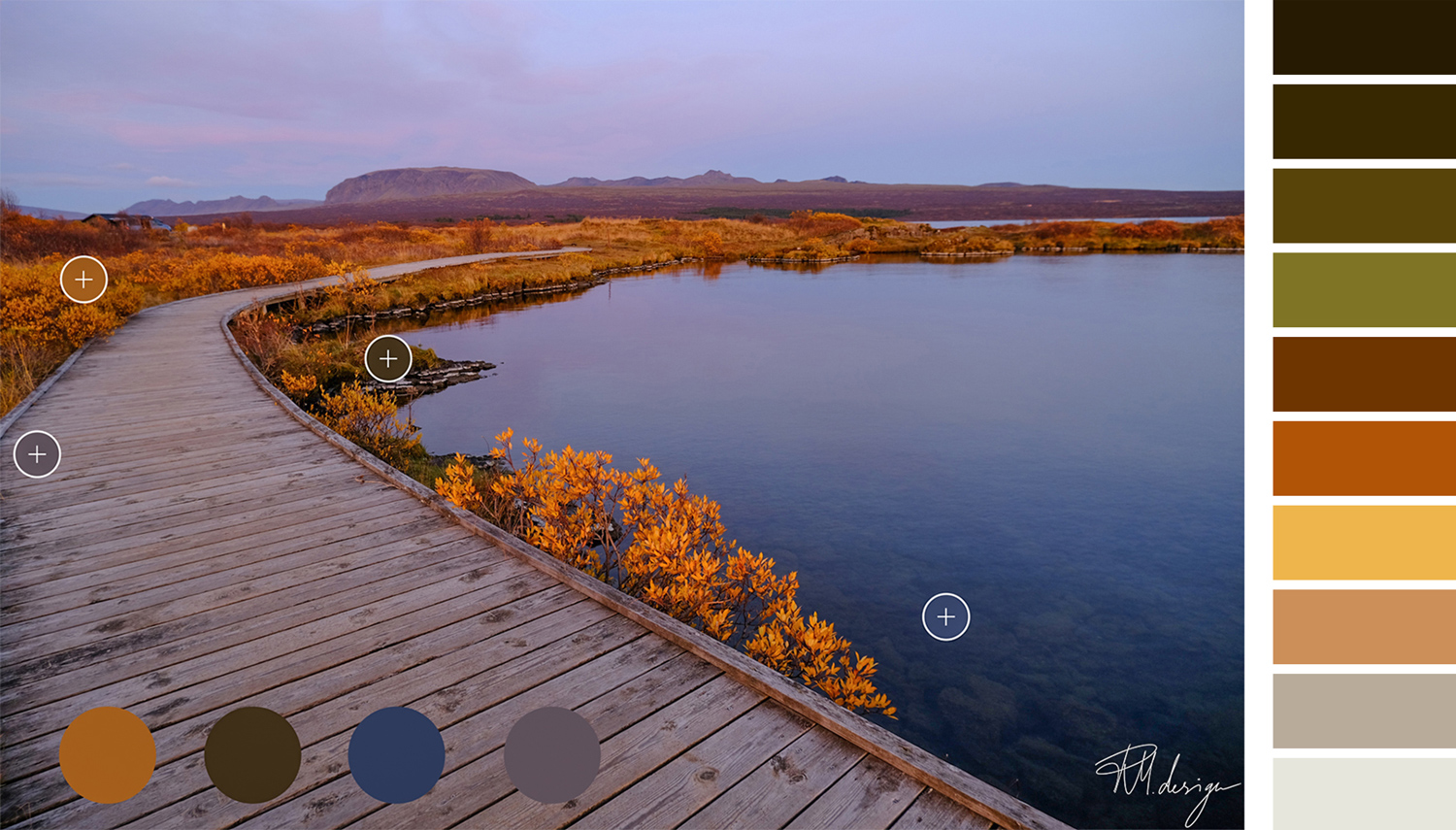
The era of stark whites and cool greys is fading. In its place, 2026 welcomes a wave of nature-inspired shades that create an immediate sense of grounding and comfort.


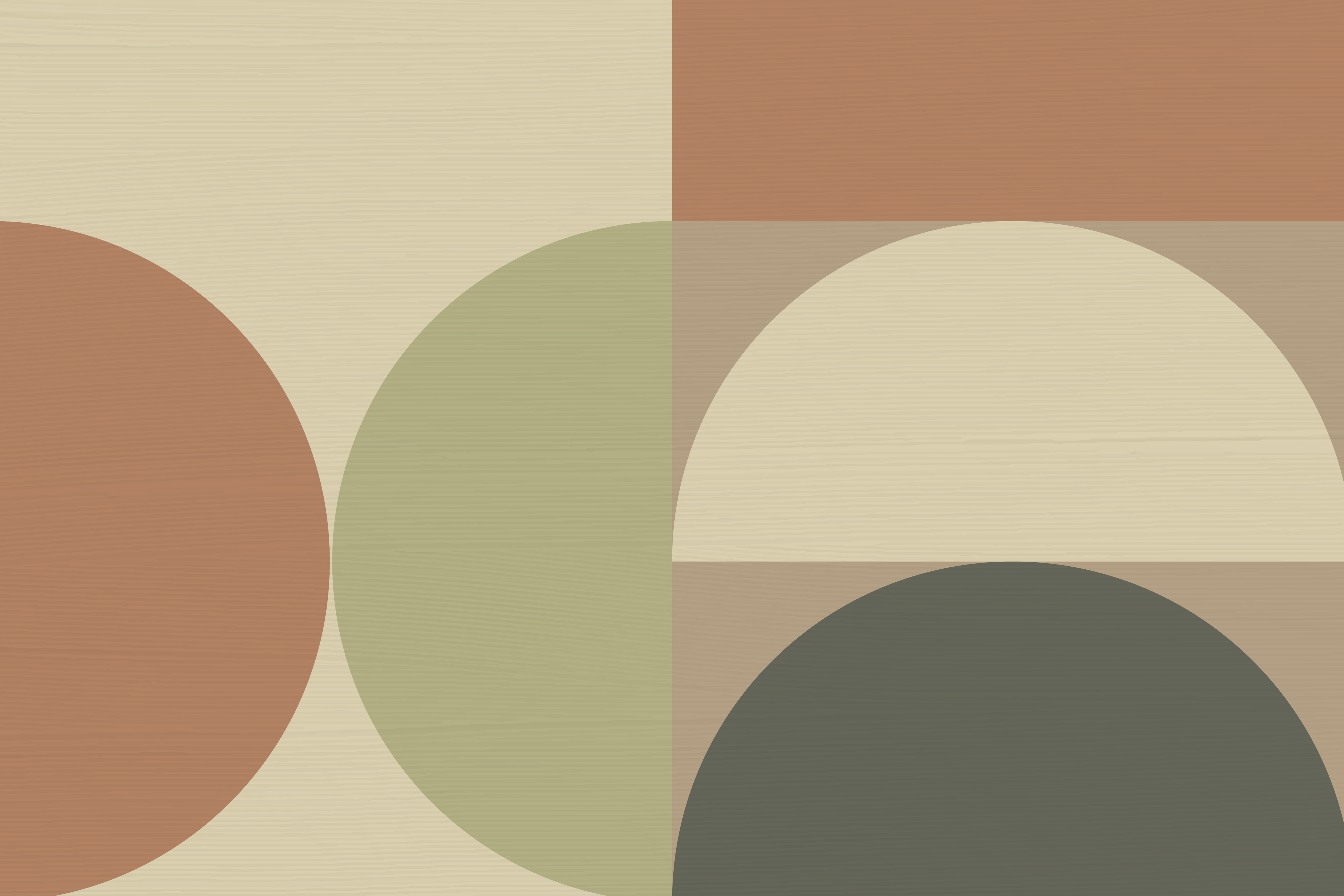
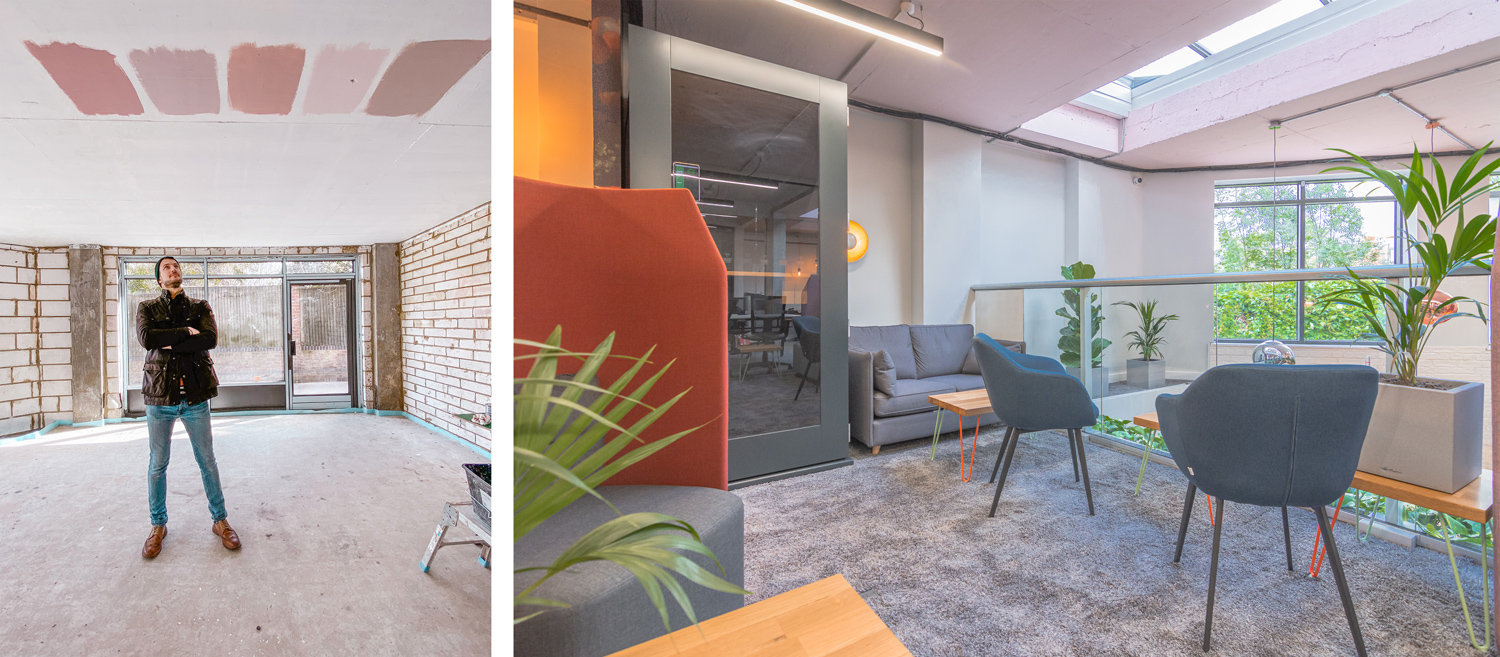
Terracotta, rust, caramel, olive green, sage, soft browns, and warm beiges are leading palettes for 2026. Chalky, muted pastels are also reappearing in more sophisticated, layered applications.  Colour has a measurable impact on mood, stress, and perception. Warmer palettes reduce visual fatigue, soften large-scale environments, and help spaces feel more human and approachable.


The Impact: 

  • In healthcare, these "grounding" tones are used to reduce patient cortisol levels in waiting areas and patient rooms, which reduces anxiety and creates reassurance.

  • In commercial sectors, they transform corporate offices into "destination spaces" where employees feel a genuine sense of belonging and ease, which increases employee comfort and retention. 

  • In domestic settings, they foster a "cocooning" atmosphere that minimises visual noise, allowing private living areas to function as restorative sanctuaries that help the mind transition from the professional to the personal.


2. Haptic Materiality and Soft Geometry

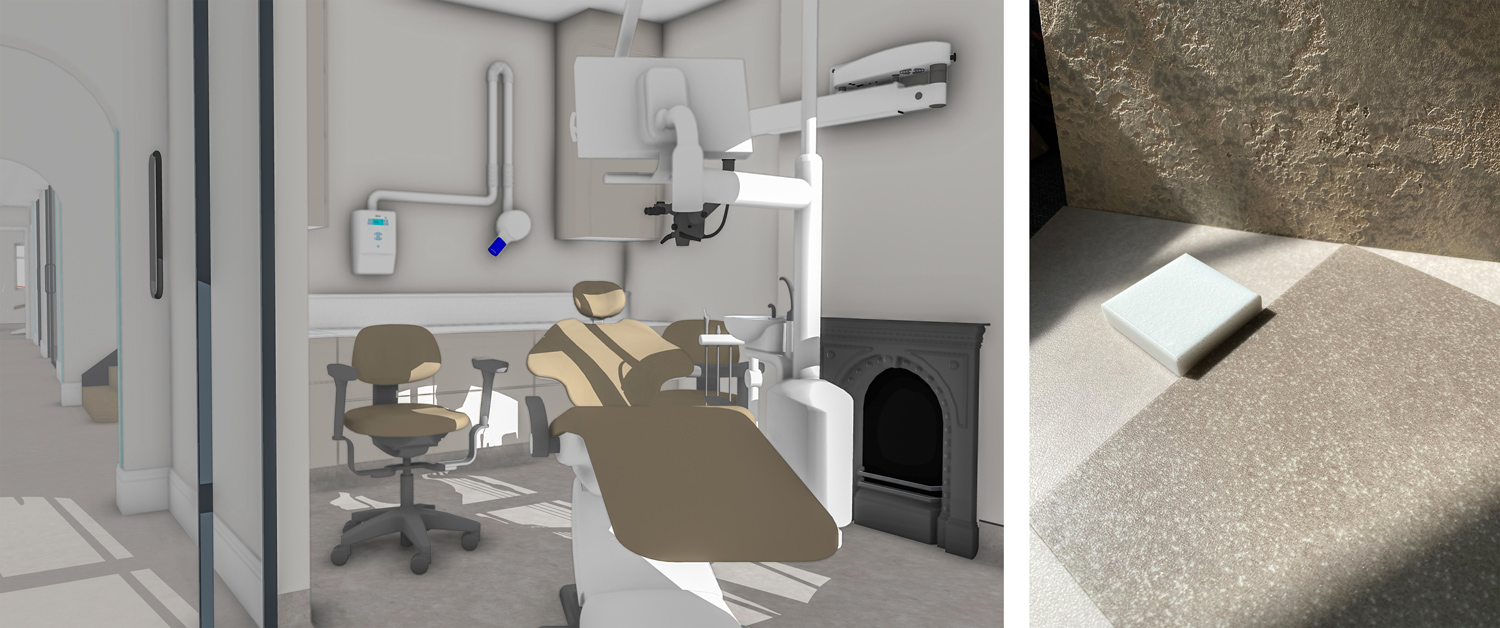
Texture becomes a defining design language in 2026. "Haptic design," designing for the sense of touch, is essential for creating environments that feel authentic and high-quality. Interiors are no longer designed just to be seen, but to be felt.

Matte and honed finishes, plaster, stucco, textured stone; replace high-gloss surfaces. Natural materials such as rattan, bamboo, acacia, and emerging eco-friendly fibres like agave are increasingly specified, becoming standard for furniture and accents. Haptic (touch-focused) design increases comfort and perceived quality. 

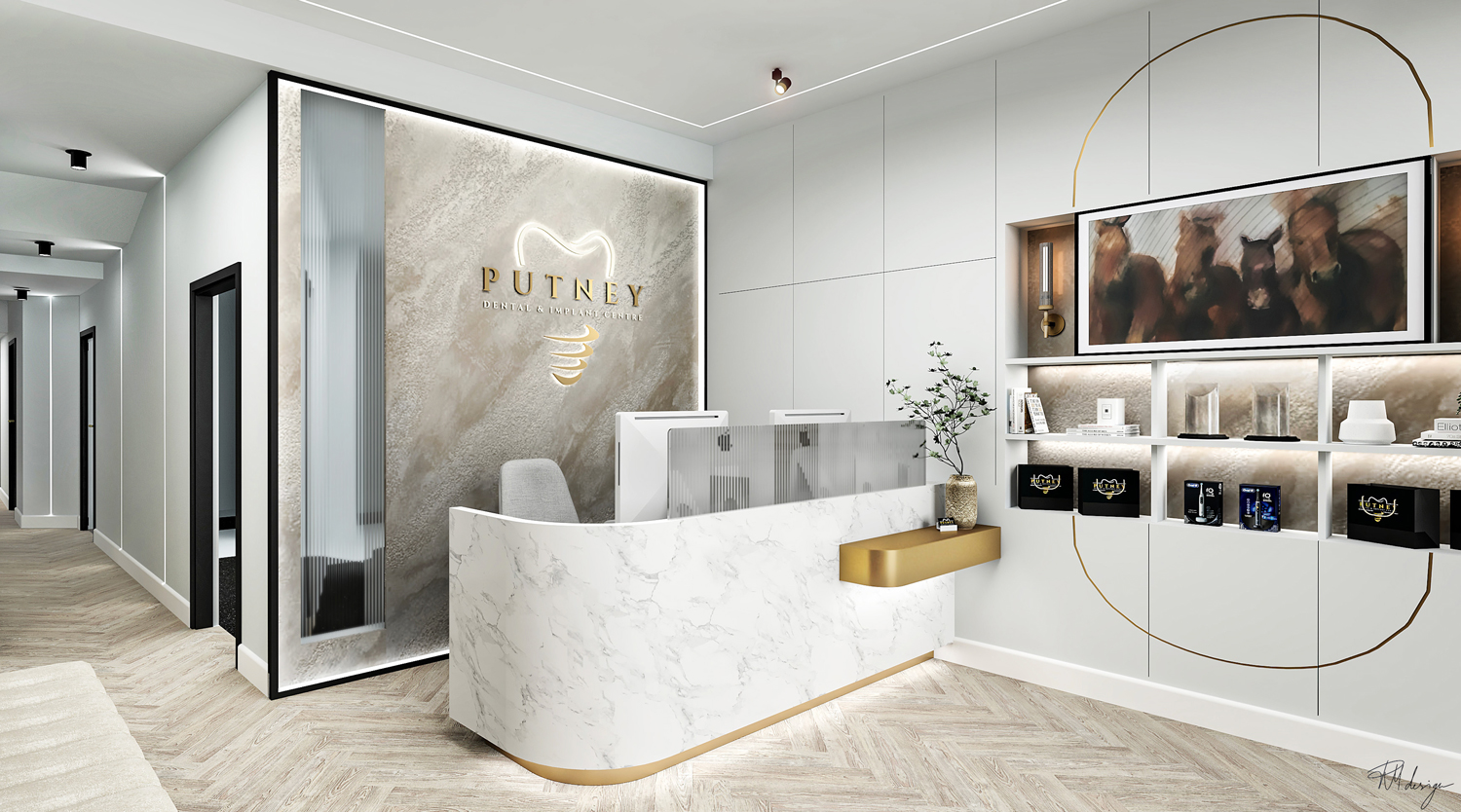
Alongside this, curved lines and organic silhouettes replace sharp, clinical angles. Soft geometry creates a subconscious sense of safety and flow, particularly important in high-stress or high-traffic environments.


The Impact: 

  • In commercial spaces, we see it in rounded reception desks, tactile wall finishes, fluid seating arrangements, and softer breakout spaces. 

  • In healthcare, curved furniture and textural materials are used to reduce an institutional feel, providing patients with a softer, more approachable environment that promotes healing. 

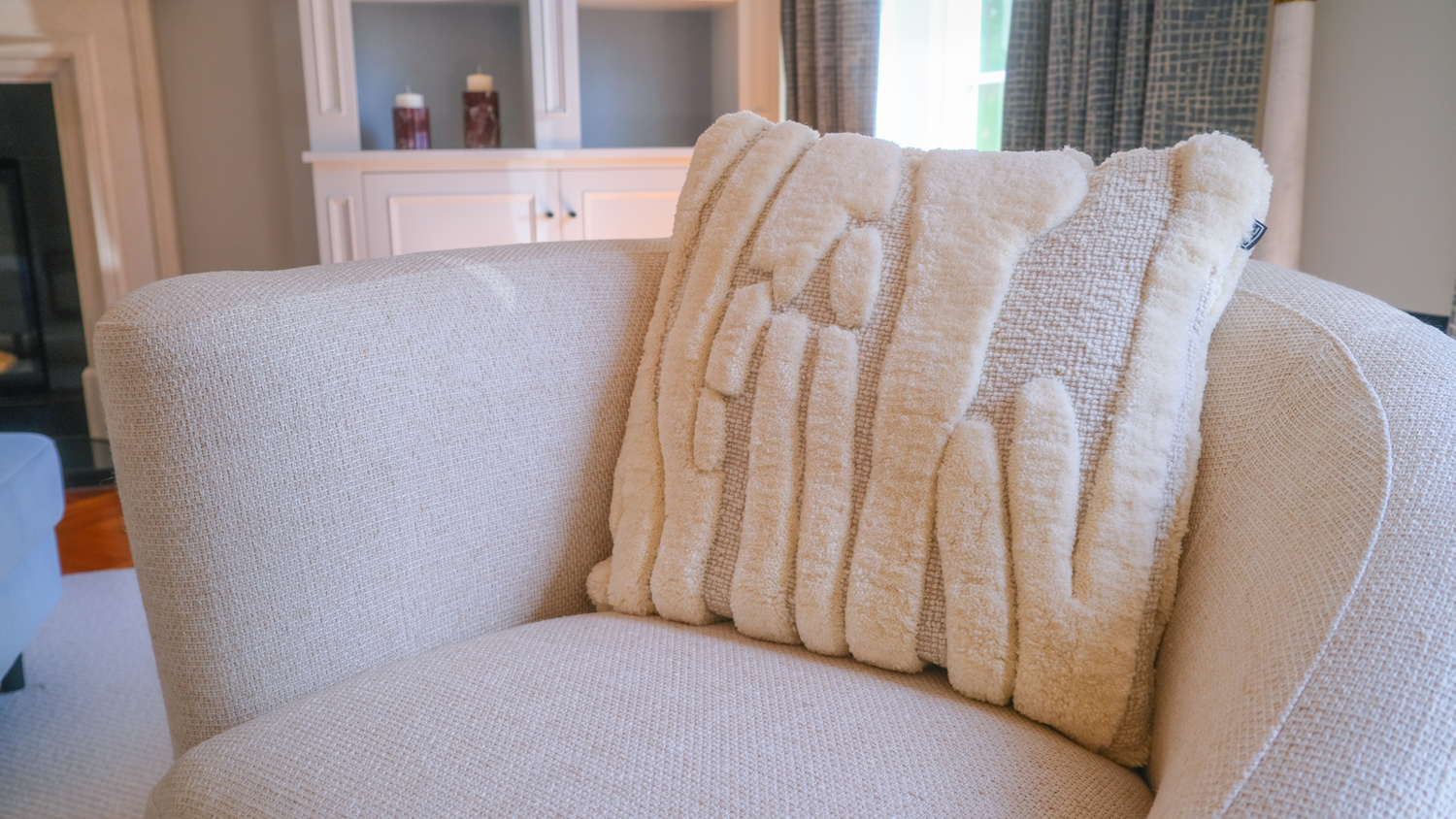
  • For domestic spaces, there is an emphasis on three-dimensional touch textures. We are moving away from flat, one-dimensional surfaces toward fluted cabinetry, 3D relief wall panels, and heavy-weave textiles. These elements provide sensory grounding and a layer of artisanal depth, transforming a house into a richly tactile home.


3. Biophilia 2.0: Beyond the Potted Plant

Wellness is no longer a feature; it is a baseline expectation, an intentional design requirement.

Biophilic design in 2026 moves beyond aesthetics and focuses on biological support: maximised natural light, improved air quality, indoor greenery with purpose, and a seamless flow between indoor environments and natural light, creating "breathable" spaces that feel connected to the outside world.

Circadian rhythm lighting systems that adapt throughout the day are becoming more common. One of the most significant shifts is the use of adaptive technology that shifts lighting temperature throughout the day to mirror the sun. 


The Impact: 

  • In commercial spaces, this is vital for supporting the mental health of staff in windowless offices, thereby enhancing productivity and reducing burnout.

  • For patients in recovery rooms and staff areas, circadian lighting also supports healing and mental health. Generally, a design that supports natural rhythms enhances focus, sleep, recovery, and overall well-being, ultimately benefiting staff performance, patient outcomes, and the user experience.

  • In domestic settings, these systems are essential for optimising sleep hygiene. By subtly shifting the colour temperature to mimic the setting sun, we can facilitate a more intuitive "wind-down" sequence, helping the mind detach from the pressures of the day and fostering true daily renewal.


4. Statement Surfaces: Floors and Ceilings as Canvases

Design attention is expanding beyond walls to include every surface within a space. For too long, floors and ceilings were treated as afterthoughts. In 2026, they are becoming central design elements.

Patterned timber floors, bold matte tiles, and layered textures define zones without physical barriers. Ceilings feature sculptural lighting, warm colours, and architectural detailing rather than generic systems. Using floors and ceilings strategically improves wayfinding, zoning, and visual interest, especially in large, open-plan environments.


The Impact:

  • In commercial environments, we are seeing the shift toward "fluid zoning." By utilising strategic changes in flooring texture and colour rather than rigid partitions, we define psychological boundaries between high-energy collaboration hubs and quiet deep-work zones. This approach maintains natural light and airflow while providing employees with clear, intuitive cues on how a space should be utilised.

  • In healthcare, statement surfaces serve a vital functional purpose: intuitive wayfinding. Large-scale facilities can often be overwhelming; by integrating clear visual cues and distinct flooring patterns, we empower patients and visitors to navigate independently. This reduces the cognitive load and "navigational stress" often associated with complex clinical environments, fostering a sense of dignity and ease.

  • For residential projects, we are seeing a focus on the "sixth wall." Homeowners are moving away from standard white finishes in favour of statement ceilings, featuring sculptural lighting, unique moulding, or warm, earthy pigments. When paired with bold, patterned flooring trends, these surfaces act as the room's anchor, allowing even the simplest furniture to feel part of a deeply intentional and architecturally rich environment.


5. Intentional Maximalism and Adaptive Flow

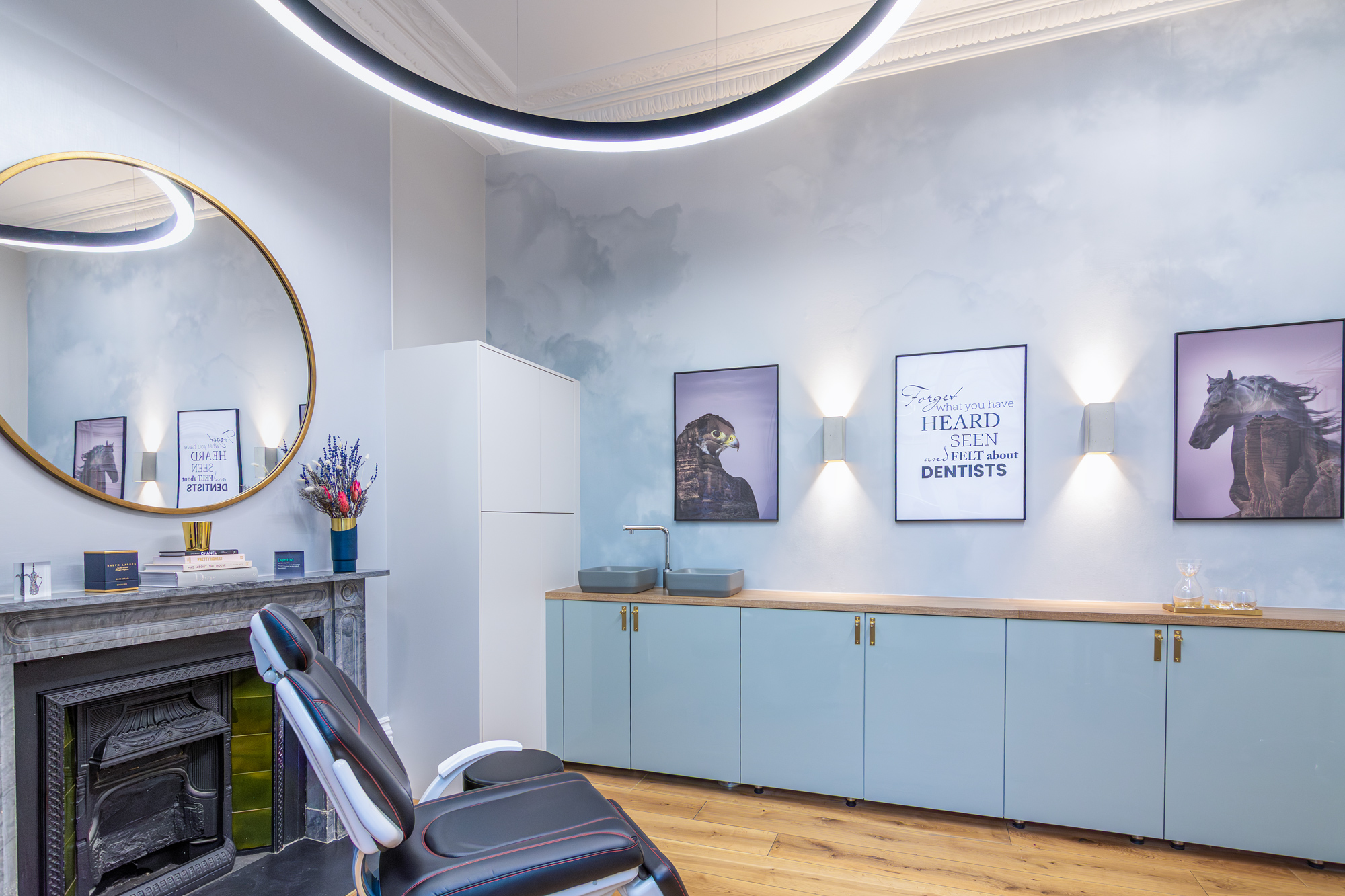
Minimalism is evolving, not disappearing. 2026 celebrates "Maximalism with Intention." This is not about clutter, but about curating a story. It involves a thoughtful mix of bold colours, meaningful art, and heirloom pieces that reflect a brand?s or an individual?s personality.

This goes hand-in-hand with Adaptive Landscapes. As our needs change, our spaces must respond. Curated layers of colour, meaningful artwork, and mixed textures create personality without clutter. Modular furniture, smart storage, and flexible layouts allow spaces to evolve,  to be multifunctional; a necessary evolution as we see the boundaries between professional work and private life continue to blend.


Bespoke artwork by Remarcable, developed in response to the client's brand, environment, and patient demographic.


Spaces must work harder and last longer. Intentional design strengthens identity, while adaptability future-proofs interiors against changing needs. 

  • Commercial Evolution: We are realising brand storytelling through curated interiors informed by staff needs surveys. This ensures the floor plan reflects actual work habits; shifting from rigid desks to "activity neighbourhoods" like acoustic focus pods and vibrant collaboration zones.

  • Healthcare Connection: Warm, familiar visual elements are balanced with clear functionality. We are focusing on curated artwork that resonates with specific client demographics, acting as a "positive distraction" and anchoring the clinic in its local community to make patients feel more at home.

  • Subtle Domestic Flexibility: Homes are becoming more responsive. We are designing with modularity in mind; furniture and layouts that can transition alongside a family's lifecycle, ensuring the space remains functional for decades.


The Remarcable Perspective

At Remarcable Design, we believe spaces should actively support the people within them. The 2026 shift toward warmth, tactility, and intentional design allows us to create environments that are not just visually striking but also sustainably and emotionally resilient, operationally efficient, and built for the long term.

Whether you are rethinking a commercial environment, future-proofing a healthcare space, or creating a more soulful, personal environment for your private space, our approach remains the same: thoughtful, human-centred design with purpose and our team is dedicated to leading the way in this new era of design.

Is your space ready for what is next? Let us explore how these trends can shape your next project.

Good Reads

Design

The Unseen Impact: Fabrics That Define Space, Safety, and Style

Whether you're furnishing a bustling commercial office, a serene healthcare facility, or creating a welcoming atmosphere in a private home, understanding the nuanced impact of different materials is crucial for crafting truly effective and memorable environments.

Design

What Are the Main Building Fit-Out Categories and Why Do They Matter?

When embarking on a new commercial building project or revamping an existing one, the term "fit-out" will inevitably surface. At its core, a building fit-out involves transforming the interior of a building to make it suitable for its intended use. Whether it's a bustling office, cutting-edge healthcare facility, or a welcoming retail space, the fit-out brings the design vision to life.

Design

First Impressions Matter: A Comprehensive Guide to Branding Packs

In today's competitive market, a strong brand identity is more crucial than ever. Whether you're a bustling hospital, a cosy medical practice, or a vibrant commercial space, your brand is the foundation for building relationships with your clients and the community.

Design

Aligning Smiles with Sustainability: A Patient-Centric, Planet-Friendly Approach

Recognising the need to evolve beyond aesthetics and address the growing importance of recyclable practices, Remarcable Design partnered with Banning Dental on a groundbreaking project. This first-of-its-kind clinical art installation enhances patient engagement while tackling the crucial issue of environmental sustainability, demonstrating a patient-centric, planet-friendly approach.

Design

A Sensory, Sustainable, and Earthy Approach: 2025 Design Trends

Colour is everywhere. Anywhere you look colour exists either consciously or subconsciously and its uses are more impactful to us than we think. Colour can be used to make a statement, create an atmosphere, and positively or negatively affect our moods.

Design

3 Tailored Design Solutions that Make Your Workspace Stand Out

The way we work is changing, particularly in today's competitive landscape. Gone are the days of cookie-cutter spaces. First impressions now matter more than ever, and your workspace is no exception, extending far beyond the handshake. Your interior choices are a powerful tool, silently shaping client interactions, employee morale, and your overall brand identity.

Design

Pros and Cons of Working with an Interior Design Company

In today's competitive landscape, strong interior design is no longer a luxury - it's a necessity. This is because a well-designed space can be the difference between success and failure. But for many businesses, the in-house resources to create exceptional designs are not there. That's where interior design companies come in.

Design

Wellness, Harmony, Personality: Design Trends 2024

Forget the rigidity of minimalism and the din of maximalism. 2024 whispers a softer, bolder design language. Imagine spaces that embrace your unique rhythm, sparking joy, soothing your soul, and celebrating meaningful style.

Design

Five ways to cultivate sustainability this holiday season

Like our designs that are rooted in nature and wellbeing as well as economic principles that make sure our clients increase their bottom line, we believe it's important to be both practical and healthy. We know... it's much easier said than done. Here's how we suggest you can blend both over the festivities this holiday season, in ways that are far from unattainable.

Design

Engaging Dentistry Design like you've never seen before: the Craft behind the Magic

The question on the table was ‘How can we help showcase dental aligners in a way that makes them approachable, yet remain on-brand with Banning’s practice quality and interiors?’ As the top Interior Architecture and Design firm in London for Healthcare Spaces that are strategically crafted to outperform the competition, we were excited to answer it with a one-of-a-kind art installation that we can now share.

Design

A Tenancy Maintenance Guide: Your 3 Keys to Keeping Your Business Running Smoothly

We understand the excitement (and stress) of running a successful business, and all the risks that come with it. To say that maintaining a business can feel like a constant juggling act would be an understatement; managing customers, boosting your marketing, retaining your staff, and chasing ambitious goals are all in the mix, and usually at the same time. Here's the keys to keeping it all together...

Design

New Tenancy Holders; jot down these considerations now or beware the costs

With years of experience in the field, experiencing the best and most ideal of spaces, as well as the ones we are disappointed to see go so poorly, our team is happy to share the know-how you need to help protect your wallets, fuel your progression, and most importantly, help you take your vision forward with as little hiccups as possible.

Design

Colour Palettes for Increased Performance and Wellbeing: 2023 Design Trends You Can't Miss

As people seem to long for a return to a more natural, human-centric way of life with a sense of community and unity, we believe as leaders we must increase our awareness of self, others, and our environment to come together in unity and find a balance. As design has a great impact on our emotions and well-being, utilising impactful design elements like colour can help us achieve this.

Design

Strategising Wellbeing in Workplace Design

‘This January felt different, the motivation is not there; work and wellbeing is falling behind.’ This feedback got us thinking… has the workforce ignored wellbeing for too long? Begin strategising with these pinpointed key areas that can be approached individually or combined in a plan to help boost wellbeing in your workspace.

Design

Fortes Case Study

Bespoke is our signature styling, in this recent case study for Fortes Hair & Skin Clinic we break down the importance of bespoke elements and how they can be utilised as brand messaging and unique selling points.

Design

Colour Psychology - Think Pink!

Having a deeper understanding of the colour psychology behind the colour pink and how it can best be used in commercial and healthcare interior design.

Design

Homework Space Case Study

Understanding the process of designing a successful co-working space, what to consider and what design elements are a must to capture the brand identity, message and concept.

Design

Circadian Rhythm in Design

Understanding what our internal circadian rhythm is and how it affects our wellbeing to know how we can incorporate circadian health within commercial interior design to maintain optimal levels of productivity.

Design

2D vs 3D Space Planning

Space plans are a fundamental element of any interior design process; they have great advantages in providing an accurate visualisation of the exact dimensions of the intended physical design of a space. Floor Plans can be made on both 2D and 3D bases providing different results which has been broken down in simple format for your understanding.

Design

The Importance of Detail throughout Design

Expanding far beyond aesthetics, we at Remarcable mean a method of expression that communicates a story through strategy carefully tailored to magnify the micro details and fully optimize their attributes’ capacity at creating a long-lasting impression in a single short interaction and it is all in the details.

Design

Co-working, Hybrid Model, WFH what is best for my company? pros and cons

With so many work models out there it can be hard to decide which one works best for your company as there is no ‘one size, fits all’ when it comes to office space to match your company values, size, and growth. We have broken down the pros and cons to co-working space models to help you best decide.

Design

How to put patients at ease and add value to your private clinic

There is a lot of fear at the moment around our health due to the pandemic and people are avoiding booking their dentist checkups. We share with you some ways you can ensure the safety of your clinic and reassure your patient's safety to return back to their overdue appointments.

Design

How can your space design set you apart from your competitors?

Commercial interior design is changing, we are in an age where technology and design innovations are booming and our environments need to keep up with the trends. We have filtered together three main factors in design that will set your company apart from its competitors; because first impressions are lasting impressions.

Design

Guide to maintaining a good work environment

With over 20 years of experience in office fit outs and maintenance we have listed 6 quick and easy tips for you to consider in maintaining your office environment and equipment.

Design

How to make meetings more bearable

Reimagining the idea of attending and entering a meeting room through our 4 main focus areas in designing strategic office spaces that benefits our wellbeing.

Design

Remarcable’s Artsy Take On Dentistry

An in depth view of our thoughts and processes for designing a commissioned project centred around wellbeing and innovation within dentistry design.

Design

Work Rest Replenish Perform

The importance of break out areas in the workplace and how to best design these to meet our human needs of connecting with nature.