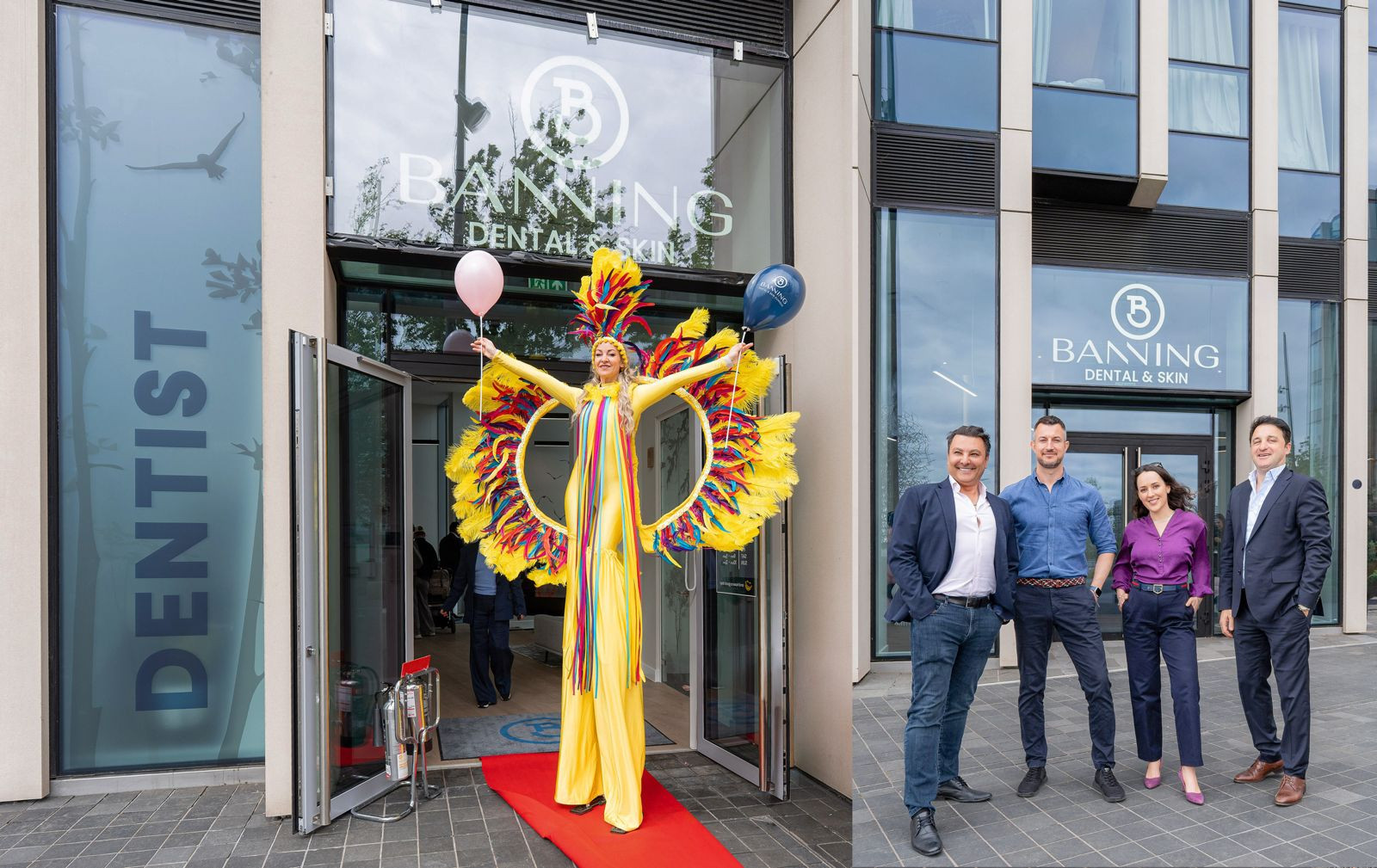
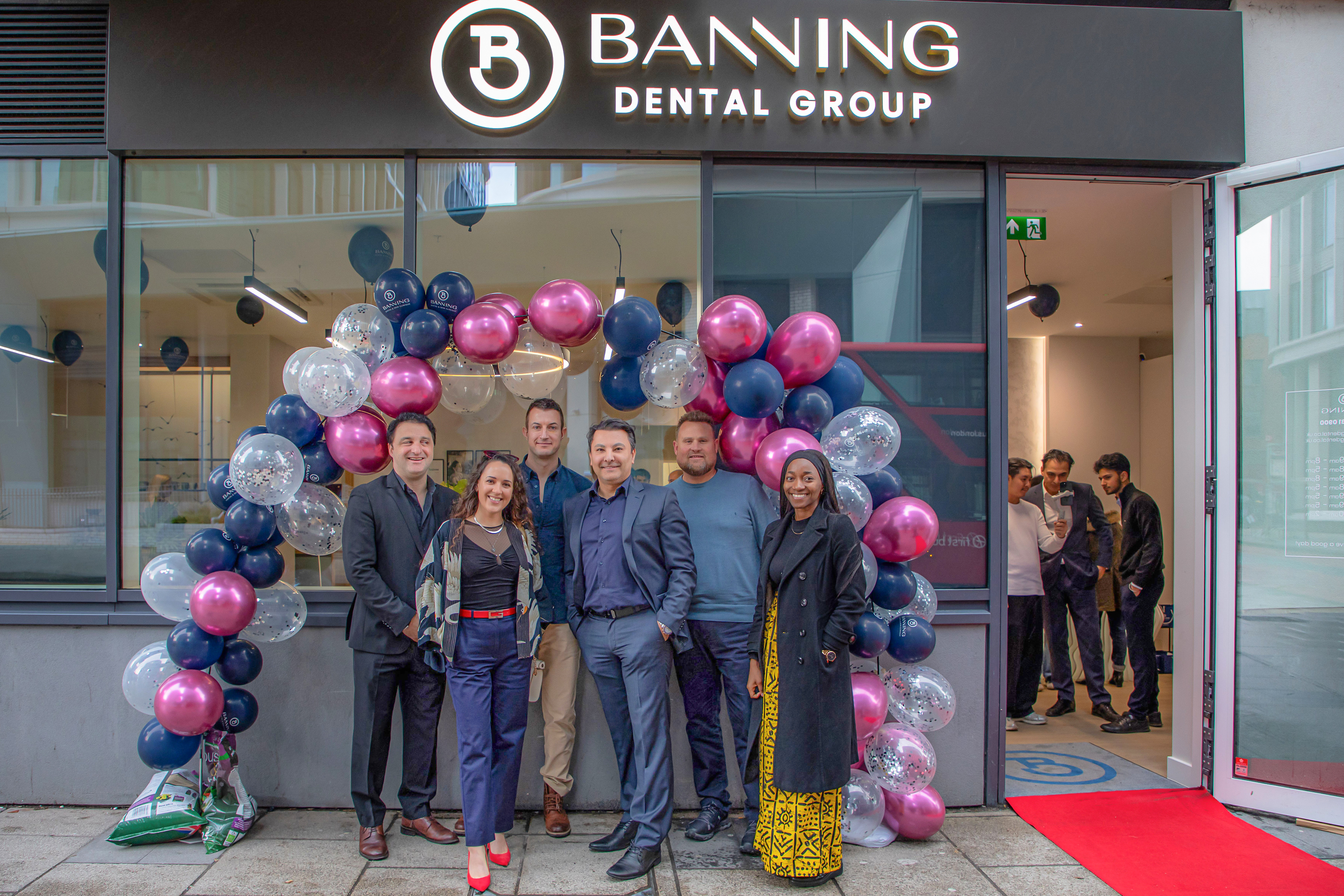
Seven years ago, Banning Dental was not looking for a dental practice design.
They were looking for a partner.
At the time, there was no network of clinics. No Blackfriars flagship. No plans for clinics 18, 19 and 20. There was simply a clear vision for what modern healthcare could become.
Dr Azad Eyrumlu and the Banning team understood something that many businesses only realise much later: people do not separate the experience from the service. How a space makes them feel influences how they perceive the brand, the team and the care they receive.
The ambition was not to create another dental clinic. It was to create a recognisable healthcare brand built around trust, comfort and consistency.
The interesting part is how they chose to do it. Rather than appointing a company known for designing dental practices, Banning deliberately looked outside the sector. They wanted fresh thinking. They wanted a team that was not constrained by what a dental clinic was supposed to look like.
At the time, Remarcable Design was known predominantly for commercial workplace interiors and private clinics in the boutique healthcare sector. Not a dental clinic designer.
That was precisely why the conversation started.
A Shared Belief
Looking back now, one of the reasons this partnership has lasted nearly a decade is that both businesses shared a similar belief from the beginning. Banning understood where they wanted to go. Our role was to help translate that ambition into an experience people could see, feel and remember.
The early conversations were not about furniture, finishes or colour palettes. They were about people.
- How do you make a nervous patient feel calmer before they have even met the clinician?
- How do you create a premium experience without feeling intimidating?
- How do you build trust before a treatment has even begun?
- Most importantly, how do you create a feeling that can be repeated again and again as a business grows?
As Dr Azad recalls:
"We did not want to create the same design that is already in place. We wanted an innovative company that shared our ethos. Marc and Reni spent time listening and understanding our business needs and have since worked closely with us to implement the vision into a practical and beautiful design that delivers a very special feeling to our clients."
That phrase - a very special feeling - became a recurring theme throughout the years that followed. Because while buildings change, locations change, and demographics change, people do not.
People want to feel comfortable.
They want to feel looked after.
They want to feel confident they are in the right place.
When you can consistently create that, you build something much more valuable than a well-designed clinic.
You build trust.
And trust scales.
Scaling Together
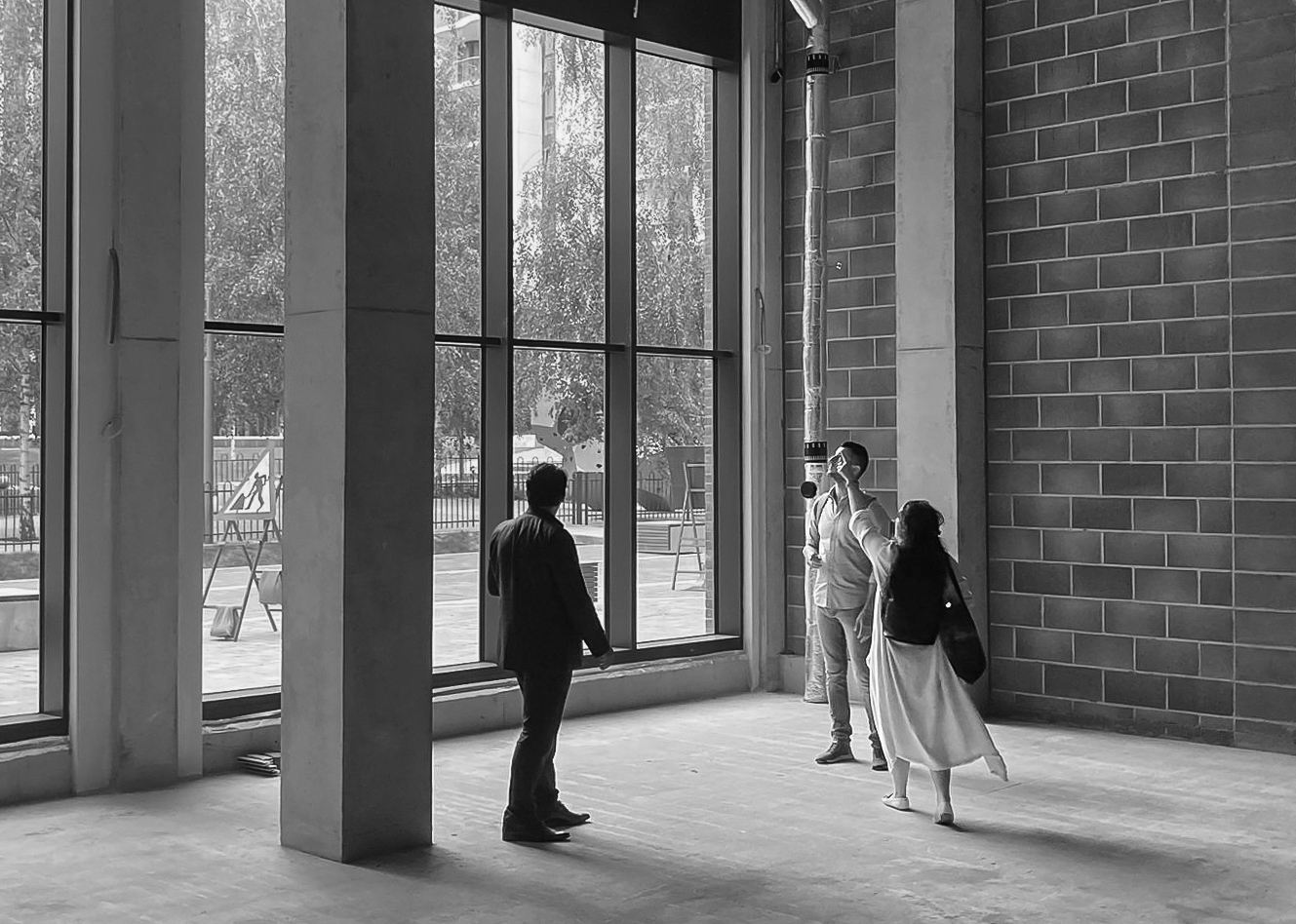
One of the things we rarely talk about is how much both businesses have evolved during the journey. Banning entered the market with a clear vision and ambitious growth plans. We entered the relationship with a fresh perspective but limited knowledge of the technical realities of healthcare design.
To deliver the experience Banning wanted, we had to learn.
Fast.
We immersed ourselves in clinical workflows, healthcare regulations, patient journeys, surgery planning and technical infrastructure. Every project pushed us further than the one before.
As the clinics became more ambitious, so did the challenges.
Larger surgeries.
More complex treatment environments.
Advanced equipment requirements.
Sophisticated operational planning.
Multi-functional spaces.
By the time we reached projects like Blackfriars, complete with a bespoke mezzanine level, integrated laboratory facilities and large-scale feature installations, the partnership had evolved far beyond the scope of a traditional client-designer relationship.
We were not simply designing spaces.
We were solving problems together.
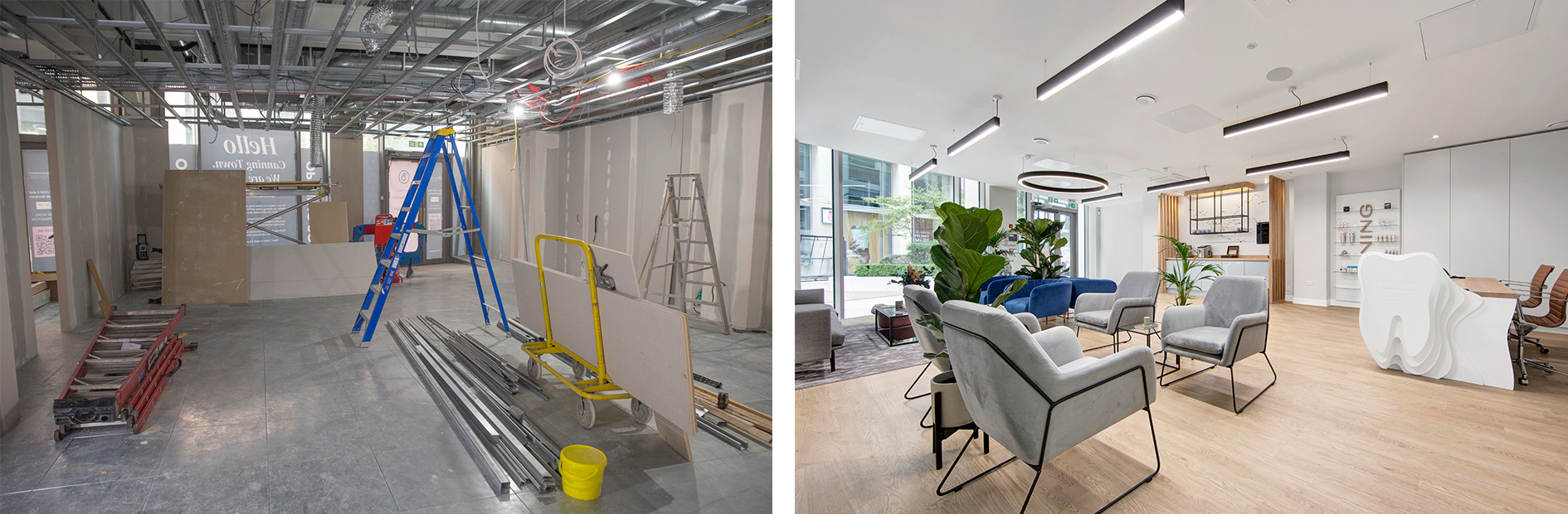
Designing a Feeling, Not a Formula
One of the biggest lessons from building 17 clinics is that consistency does not come from making every location look the same. It comes from making every location feel the same.
Leighton Buzzard offered beautiful period features and Victorian windows.
Wembley gave us extraordinary ceiling heights that allowed artwork and lighting to become part of the architecture itself.
Blackfriars presented an opportunity to think vertically, creating an entirely new layer of space through a bespoke mezzanine floor.
Every building arrived with its own opportunities.
Every building demanded a different response.
The goal was never to force a standard design into every location.
The goal was to protect the Banning experience.
As our Creative Director, Reni, often says:
"Each building has its own unique quirkiness. Our job is to integrate those distinctive features without losing the Banning DNA."
That philosophy shaped every project. The suspended lighting installation in Blackfriars only exists because that building made it possible. The oversized birds installation in Wembley was inspired by the volume and scale of the space. The heritage details in Leighton Buzzard deserved to become part of the story rather than being hidden behind a standard fit-out.
Different buildings.
Different design responses.
The same emotional outcome.
That is what allowed the brand to grow without losing its identity.
The Hidden Investment
When people look at Banning today, they often notice the finished spaces.
The lighting.
The artwork.
The reception desks.
The architectural features.
What they do not see are the decisions that came before any of those things existed.
The decision to invest in experience before expansion... The decision to prioritise consistency before multiple locations existed? The decision to create a recognisable feeling rather than a collection of individual clinics. And perhaps most importantly, the decision to choose a partner who would challenge conventional thinking rather than simply repeat what had been done before. Those decisions do not appear in photographs. But they are the foundation on which everything else was built.
Because beautiful spaces alone do not create successful brands.
Shared vision.
Long-term thinking.
Trust.
Consistency.
And a willingness to invest in experience long before the results are visible.
Those are the things that scale.
Seventeen clinics later, with more on the horizon, that is the lesson both businesses continue to carry forward. The buildings may all be different. But the thinking behind them remains the same.
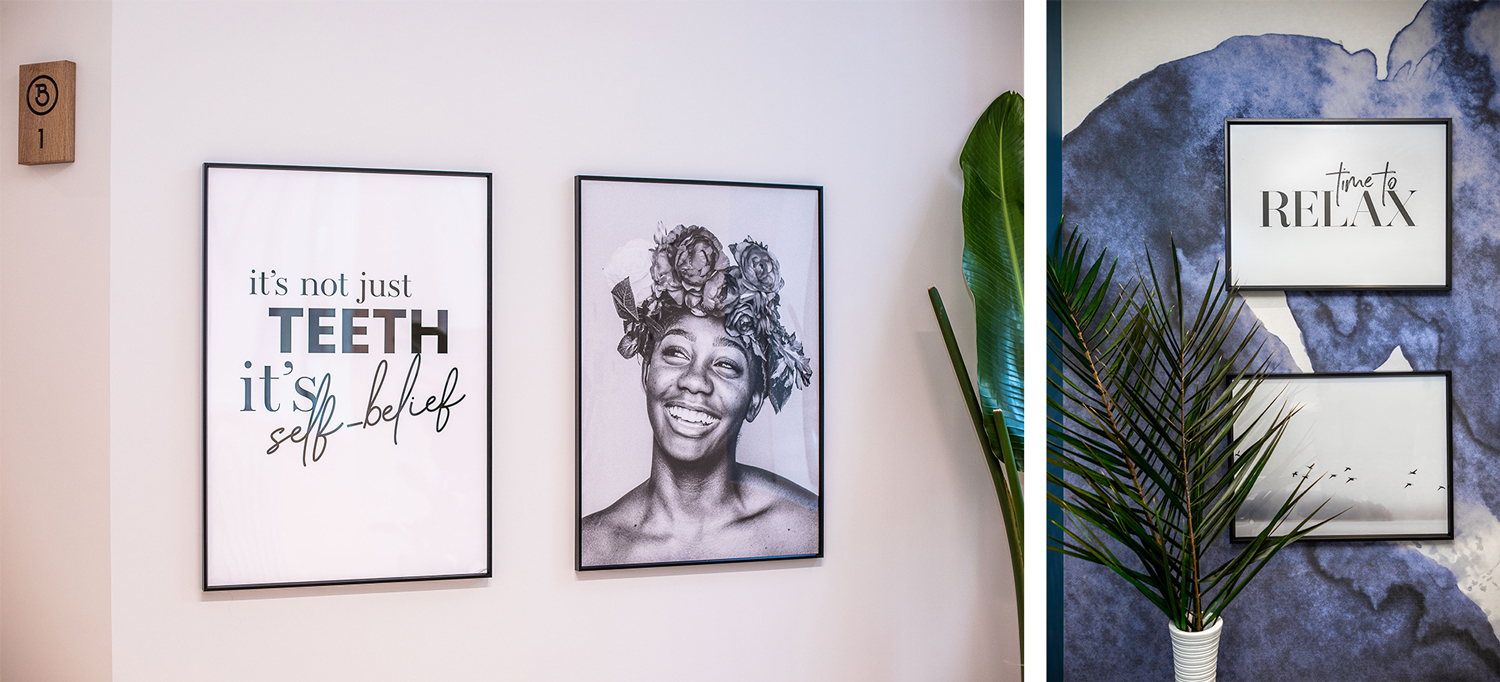
Building Trust Before Treatment
One of the first challenges we tackled together was not clinical. It was emotional.
Dentistry has always carried a certain level of anxiety. For many people, walking into a dental practice can trigger feelings that have nothing to do with the quality of care they will receive. The environment itself often sets the tone before a single conversation takes place.
Banning understood this from the beginning. If the goal was to build a modern healthcare brand, the experience could not begin in the treatment room. It had to begin the moment someone walked through the door. That changed the way we approached every design decision.
Instead of asking: What should this clinic look like?
We asked: How should people feel?
Calm.
Welcome.
Reassured.
Confident.
Those emotional outcomes became the brief.
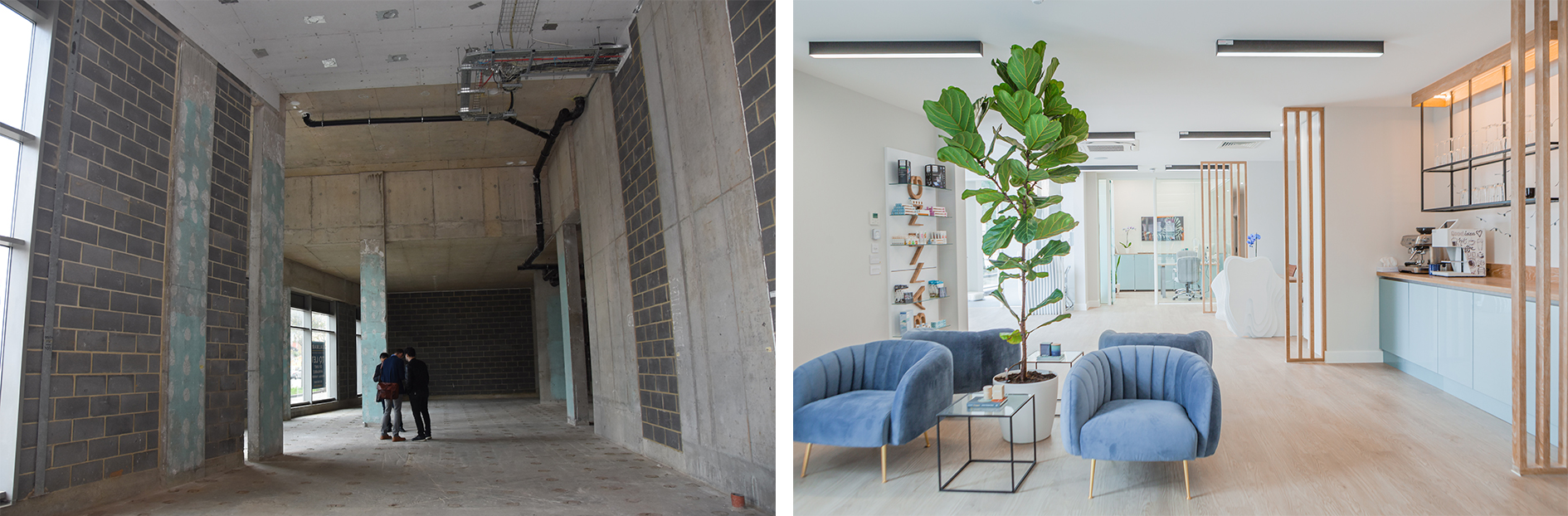
The Scandinavian-inspired interiors, the lounge-style waiting areas, the careful use of natural light, the softer material palette - these were not aesthetic trends. They were deliberate choices designed to remove barriers between people and treatment. Over time, that philosophy became one of Banning's greatest strengths. Patients were not simply visiting a clinic. They were entering an environment designed around their comfort. And when people feel comfortable and well looked after through a combination of service and environment, trust comes naturally.
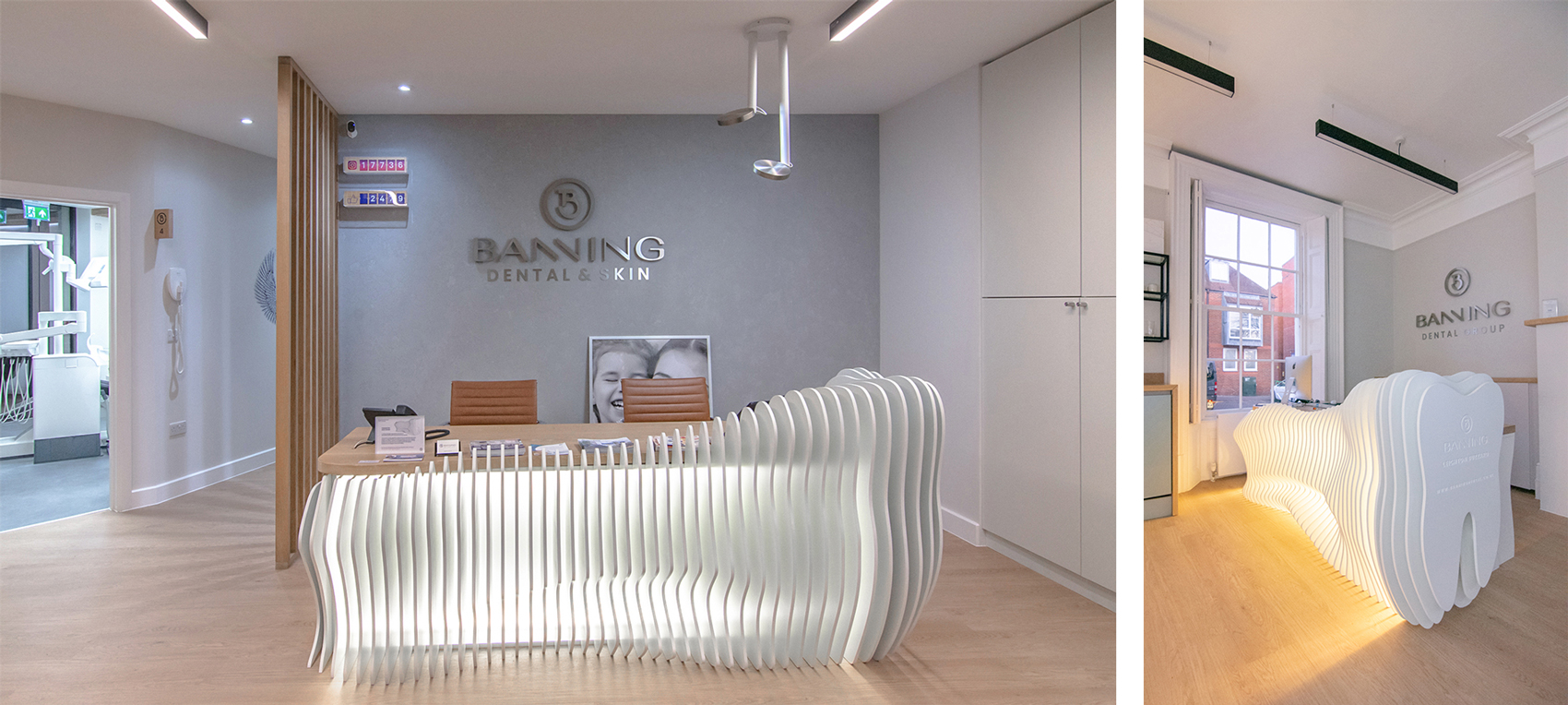
Creating a Brand People Could Recognise
As new locations emerged, another challenge arose. How do you grow without losing what made the original special?
Many expanding businesses face the same problem. The first location feels personal. The fifth starts to feel operational. By the tenth, consistency often becomes difficult to maintain. Banning agreed on the importance of avoiding that trap.
From the beginning, we agreed that every location should feel recognisably Banning while still responding to the character of the building it occupied.
We were not interested in creating clones.
We were creating a family.
One where every clinic had its own personality but shared the same values. That is why certain design elements became recurring threads throughout the portfolio.
The emphasis on natural light.
The balance between luxury and simplicity.
The feeling of calm movement through the space.
The attention to detail in areas that many businesses overlook.
Over the years, patients began to recognise these qualities instinctively. They might not have noticed every design decision consciously. But they recognised the feeling. And that is often the difference between a collection of locations and a genuine brand.
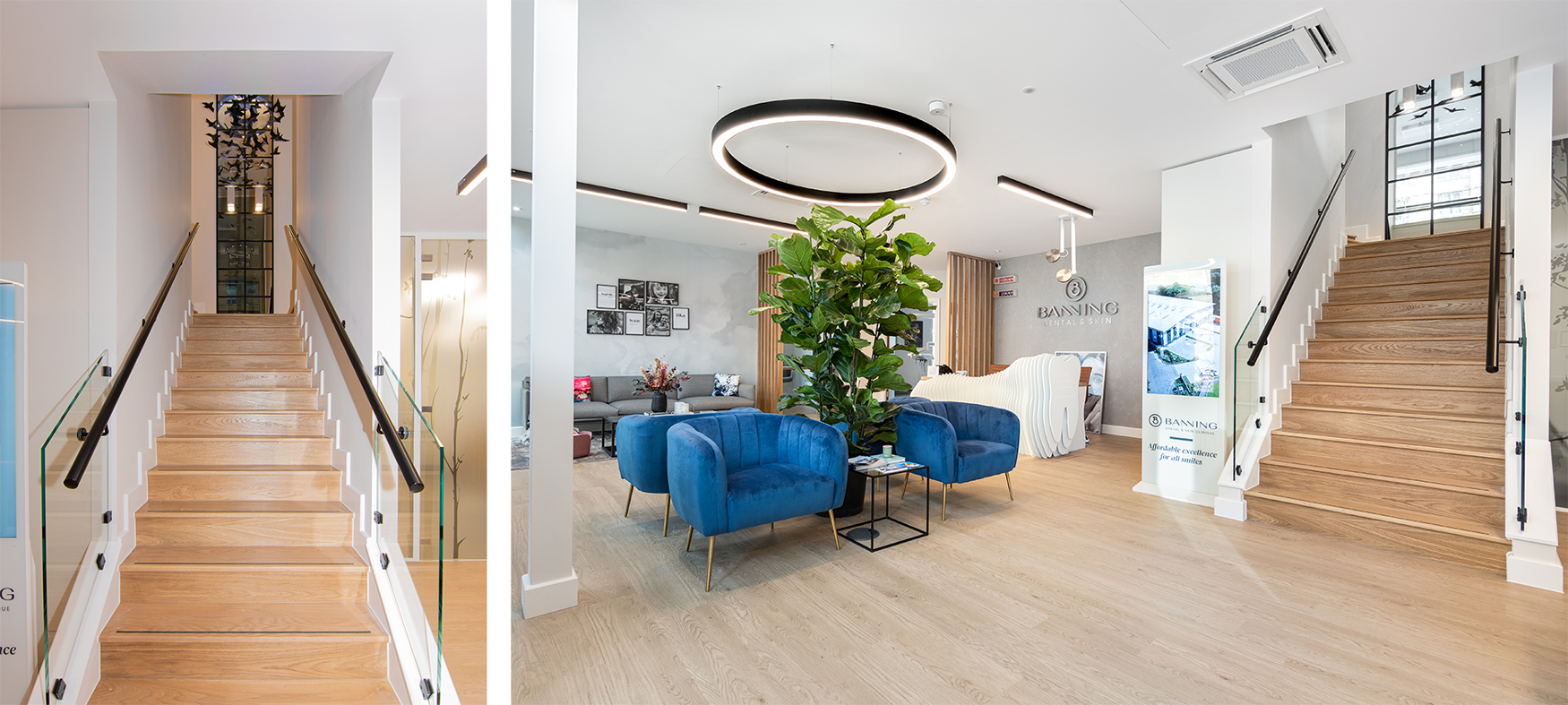
Every Building Taught Us Something
One of the most rewarding parts of this journey has been discovering how different buildings shape different opportunities. No two Banning clinics are the same. And honestly, we would not want them to be.
The opportunity to introduce a bespoke mezzanine level transformed the way the building functioned, allowing clinical, laboratory and management spaces to coexist within the same footprint.
Wembley and Woking offered something entirely different.
The building's height allowed us to scale our signature birds installation in a way that would not have been possible elsewhere. Suddenly, the artwork was not hanging within the space. It became part of the architecture itself.
Leighton Buzzard and Harley Street invited a different approach again.
Its heritage features, beautiful windows and original character deserve to be celebrated rather than hidden. The design became a conversation between past and present.
Each project brought new lessons. Each project pushed the partnership further. And each project reinforced something we have always believed:
Great design starts by listening to the building.
Not just filling it.
Beyond Dentistry
As the relationship evolved, so did the ambition.
What began as a dental brand gradually expanded into something broader.
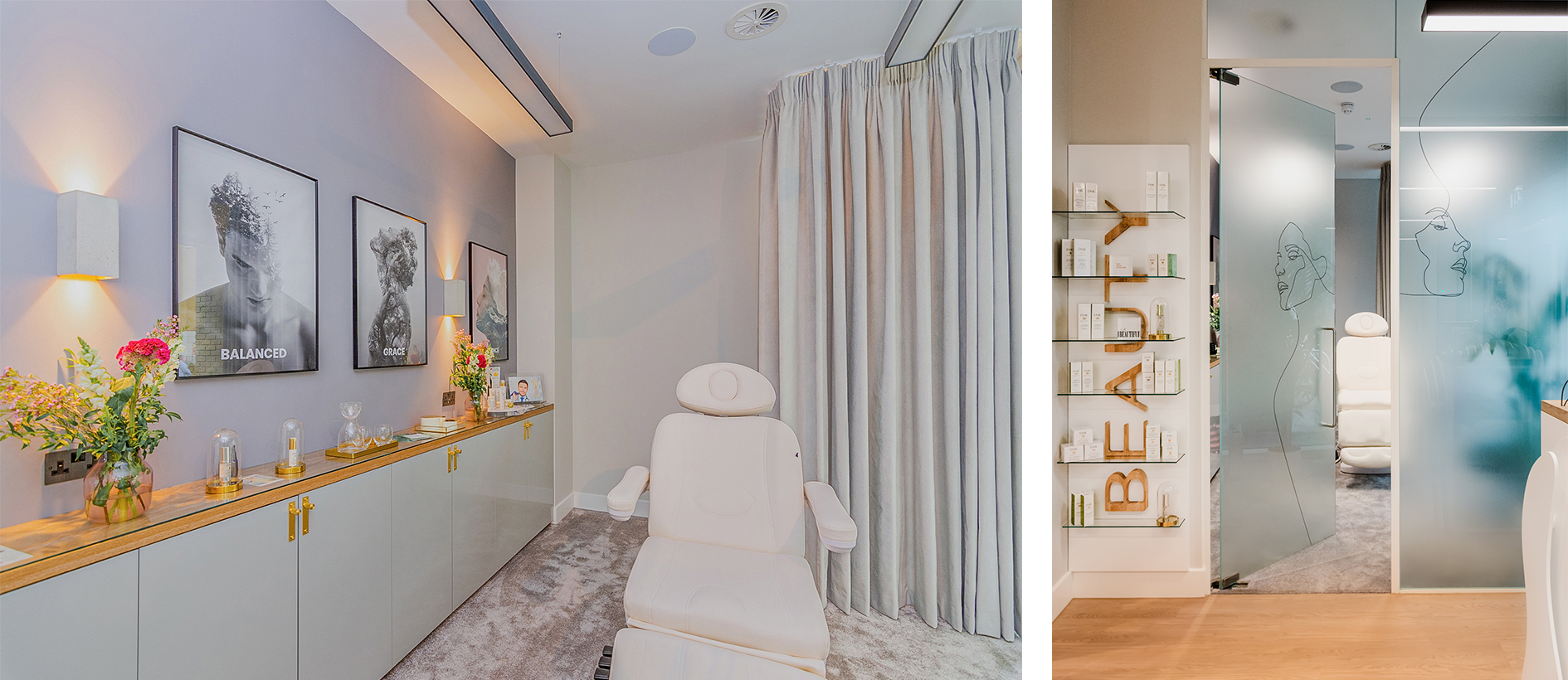
Beauty rooms.
Training facilities.
Lifestyle-focused experiences.
Spaces that supported not just treatment, but wellbeing, education and growth.
One of the clearest examples of this thinking can be seen in Lewisham.
Recognising that great businesses are built by great teams, Banning invested in a dedicated training environment designed to bring people together, share knowledge and support professional development. It would have been easy to create a functional training room. Instead, we approached it with the same care as any patient-facing environment. Because culture matters.
And businesses scale far more successfully when their people grow alongside them.
The same principle guided the introduction of beauty spaces across multiple locations. These were not added as afterthoughts. They reflected a broader understanding of modern healthcare - one that recognises the connection between confidence, wellbeing and personal care.
Again, it was not about adding more rooms.
It was about strengthening the overall experience.
When Healthcare Meets Culture
One of the unexpected moments in this journey came when the
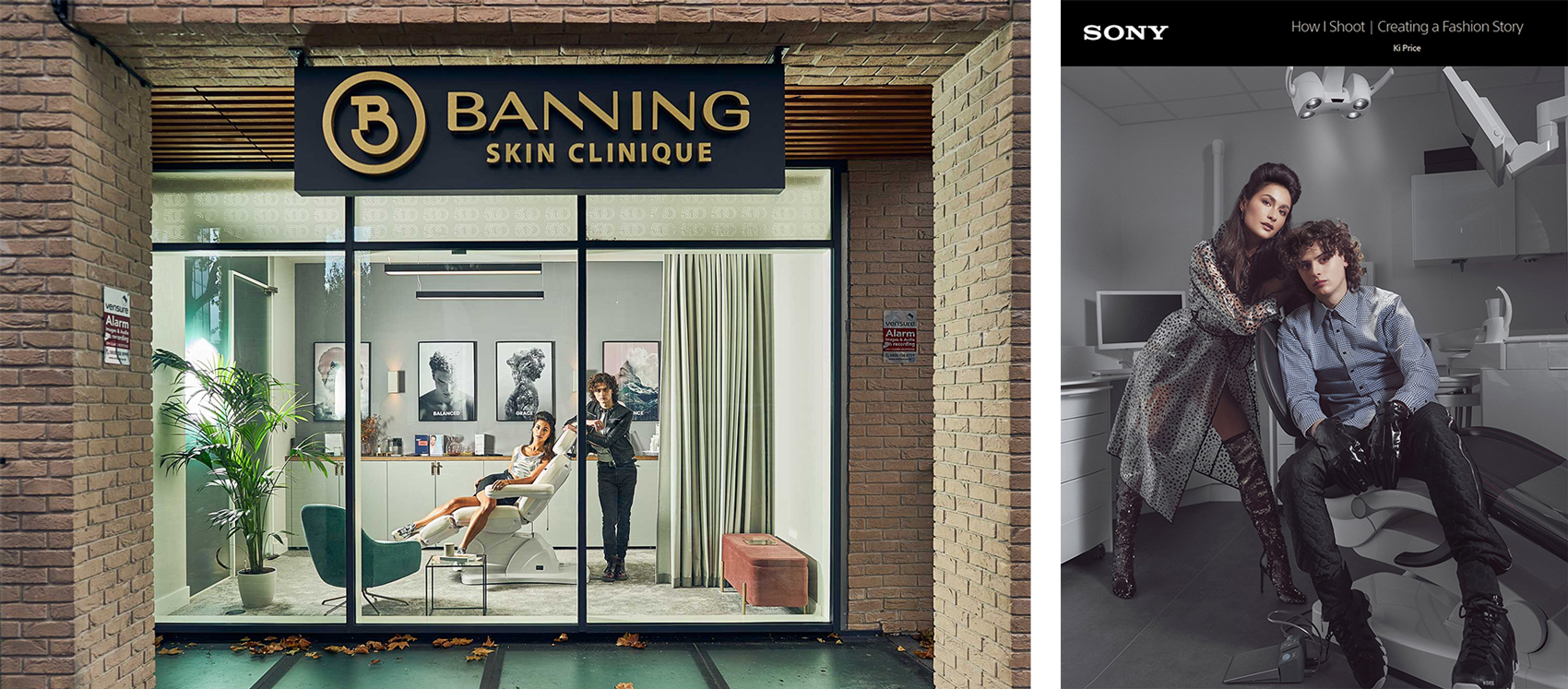
Chiswick clinic caught the attention of fashion photographer
KiPrice. Looking at the finished space, he did not see a dental clinic. He saw a backdrop for creativity. The clinic later became the setting for a fashion story presented at London Fashion Week and featured by
Sony.
At the time, it felt surreal. But looking back, it made perfect sense.
The goal had never been to create something that looked like every other healthcare environment. The goal was to create spaces that felt different. Spaces that challenged assumptions.
Spaces people remembered.
That moment was not important because it generated publicity. It was important because it reinforced something Banning had believed from day one: When you invest in experience, people notice. Sometimes in ways you never expect.
What Seven Years Taught Us
Looking back across seventeen clinics, countless conversations, site visits, challenges and celebrations, the biggest lesson is not really about dentistry.
It is about partnership.
The most successful projects we have worked on have never started with a furniture schedule or a mood board. They started with trust. A shared ambition. A willingness to challenge assumptions. And a commitment to solving problems together.
Banning arrived with a vision. We brought a different perspective.
Together, those ideas evolved into a recognisable brand that continues to grow today.
As Dr Azad reflects:
"Remarcable is dedicated to the client, and their passion for the project is the core of everything they do. They have an open and honest fee structure, which creates trust, which we find rare in our industry."
For us, that trust has always been the real foundation of this story. Not the buildings. Not the awards. Not even the growth.
The trust.
Everything else grew from there.
Looking Ahead
Today, with clinics 18, 19 and 20 already in development, it is tempting to look at the scale of what has been achieved. However, the goal was always to create an experience people believed in. One clinic at a time.
Seventeen clinics later, we are incredibly proud of what has been built together. Not only because the spaces are beautiful but because they prove something we have believed for a long time: When a clear vision meets the right partnership, design transforms beyond aesthetics into a foundation for growth.
And that is the hidden investment behind every Banning clinic.